
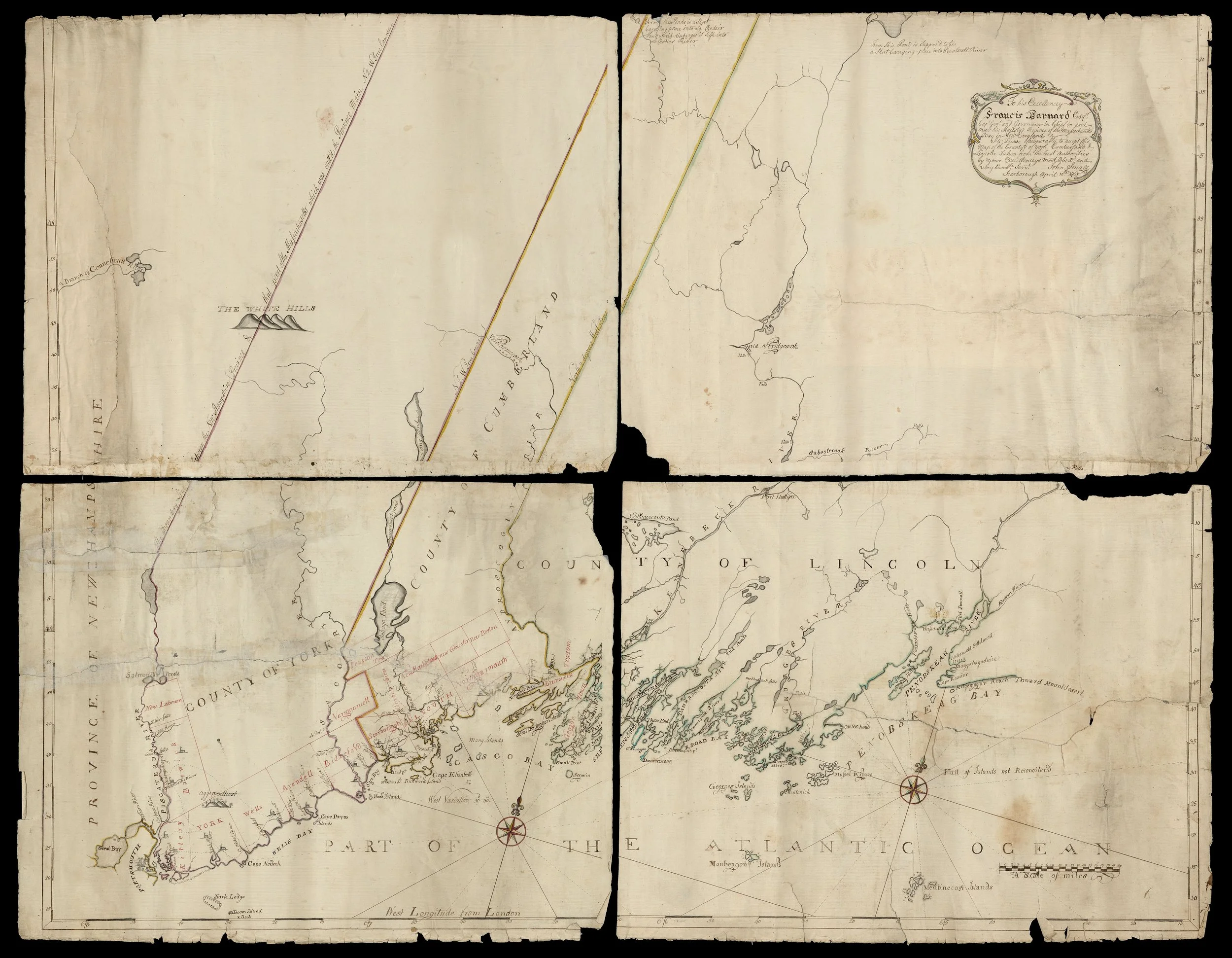
PROGRAM BOOKLET
Newsletters
NEWSLETTER #01
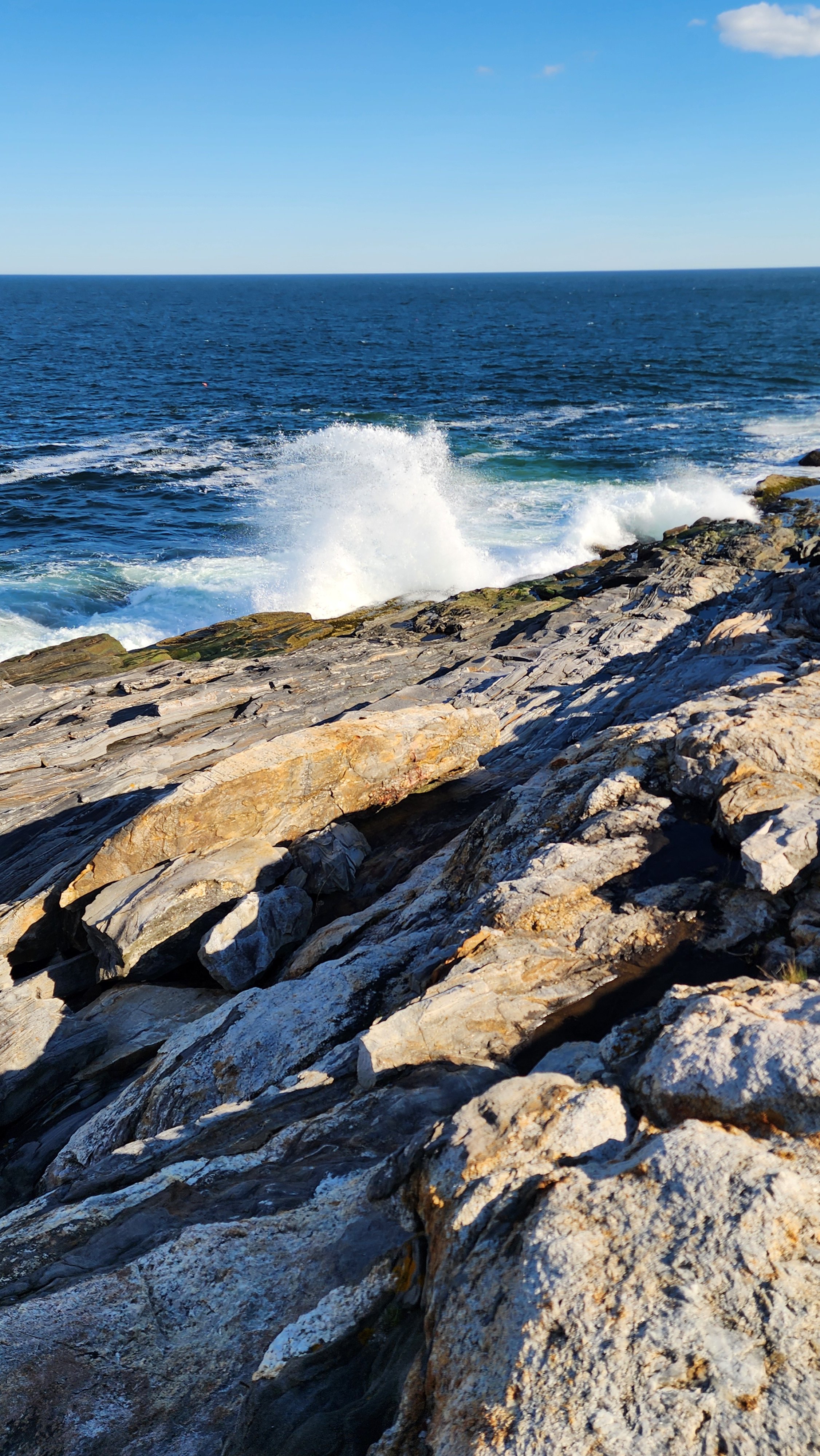
Announcing Immersive Summer Series
We have been up to a great deal recently at Open House of History. After our inaugural summer last year and a steady stream of programs since then, it is my pleasure to announce this year’s summer series: Emotional Currents: Between Survival and Freedom—an immersive convergence of sound, art, video, performance, discussion, and environmental encounters exploring the emotional forces shaping life across time.
NEWSLETTER #02
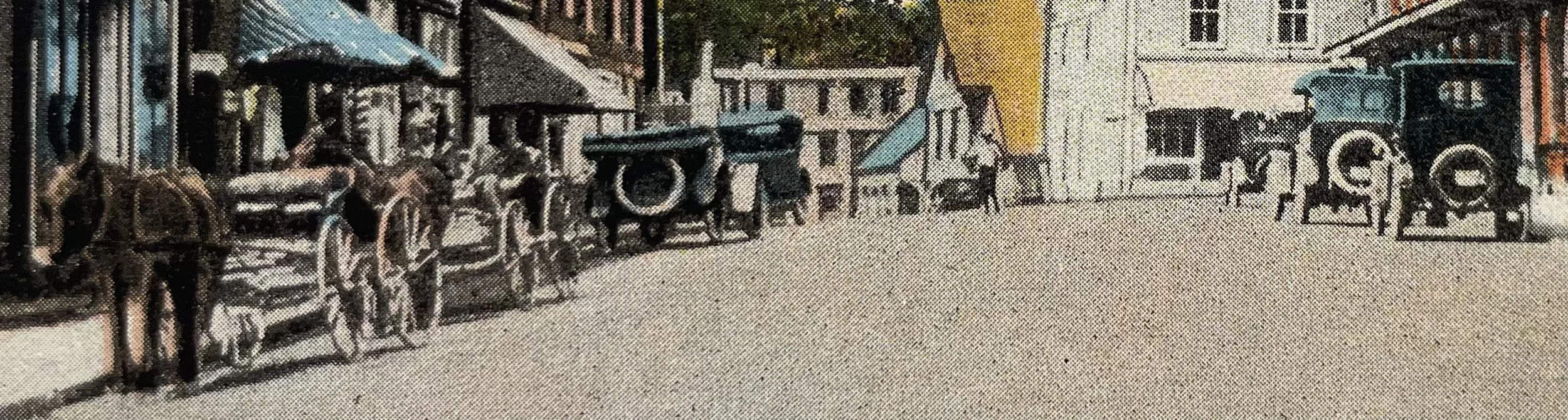
Cars, and Jasper Stahl’s Emotional History of Waldoboro
Jasper Stahl, in his monumental two-volume history of Waldoboro published seventy-five years ago, wrote that the advent of cars had, "more than any other single factor ... dissipated" the antagonism between the village of Waldoboro and the farther reaches of the town's boundaries. You might wonder what “antagonism” he meant. Or why it was necessary to break the town up in this way.

NEWSLETTER #03
Meeting People Where They're At: How History Begins
How do we each place ourselves in history? By looking inward. History begins as a personal act of inquiry. As we ask how and why we have become who we are, we encounter the people, relationships, and experiences that shaped us. In pursuing those questions, we gradually discover ourselves embedded within a larger world.
NEWSLETTER #04
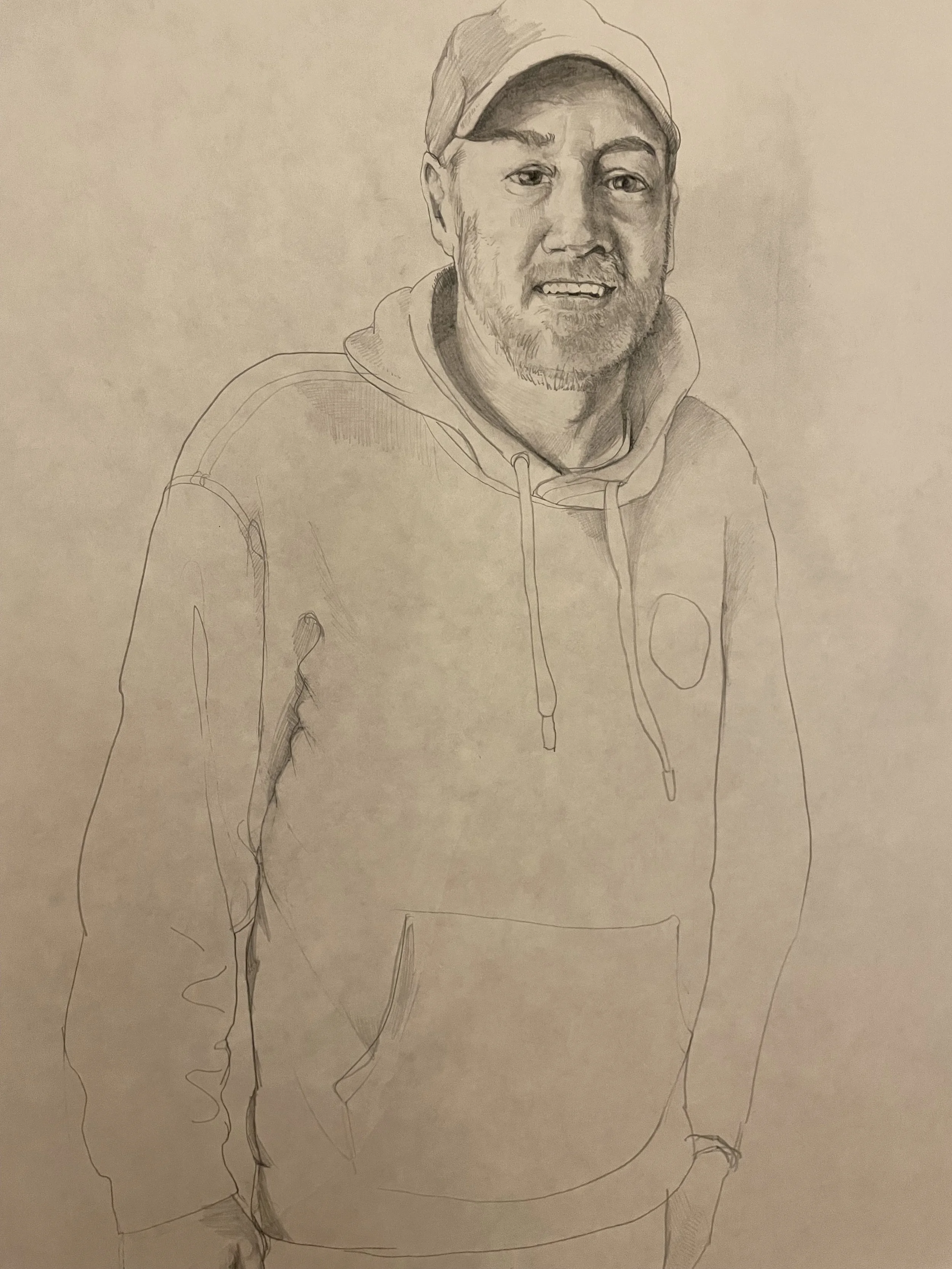
what freedom feels like
When we ask, in a moment when the United States is remembering its origins in a fight for freedom, what freedom means, I hear the voice of local lobsterman Larry York on the upper level of Open House of History. Speaking about his workday, he says: “I get a clarity when I go out there. It's like when my feet hit the boat, all my problems are left behind. Now I have a job to do, and I get out there, and it's like a freedom. It's like nobody can get me.”
NEWSLETTER #05
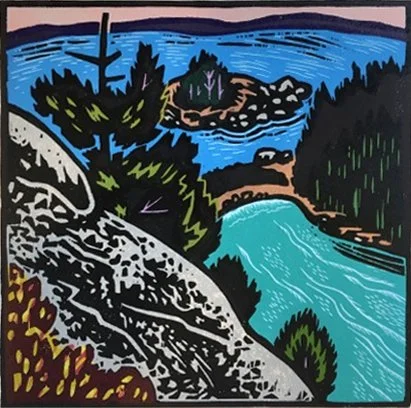
entering the feelscape of time
What path are you on?
While we usually think of this question as it pertains to a job or a set of beliefs, beneath it lies a larger question: What do you value? It may be connected to your work or a hobby. Perhaps it comes from a parent, a group of friends, or your own curiosity. Or perhaps it is something you can only imagine but nevertheless find yourself drawn toward.

NEWSLETTER #06
The Noise and Madness of the World
Why are there so many churches in Waldoboro? Or, for that matter, why are there so many churches throughout the United States?
The earliest German settlers of Broad Bay in the 1750s and 1760s—the settlement that became Waldoboro—belonged to at least three Protestant traditions: Lutherans, Reformed Protestants (whose roots lay with the Swiss reformer Zwingli before moving toward Calvinism), and Moravians, whose origins reached back before the Protestant Reformation itself.
NEWSLETTER #07
how nature shapes our emotions
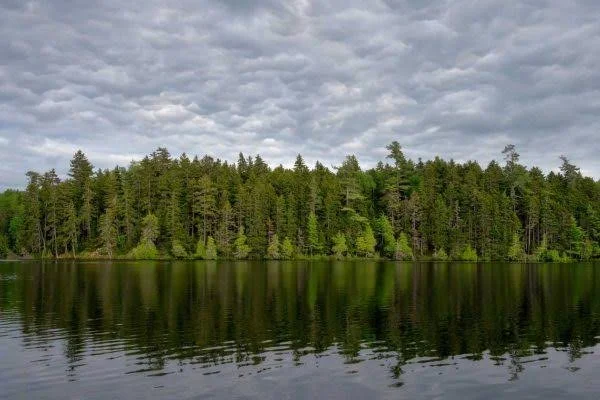
Knowing a place, and having a sense of its history, is an emotional experience. Some people feel the presence of those who came before them. They are haunted by a shoreline, a field, a house, an old road, or the lingering spirit of a person or event. Others move through the same places without sensing that past at all.
Yet the terrain of knowing a place is as unstable as the place itself. All of a sudden, the feeling of something ‘beyond’ emerges. This can most strongly happen when we’re outside, surrounded by nature.
NEWSLETTER #08
the feelscape of the medomak river
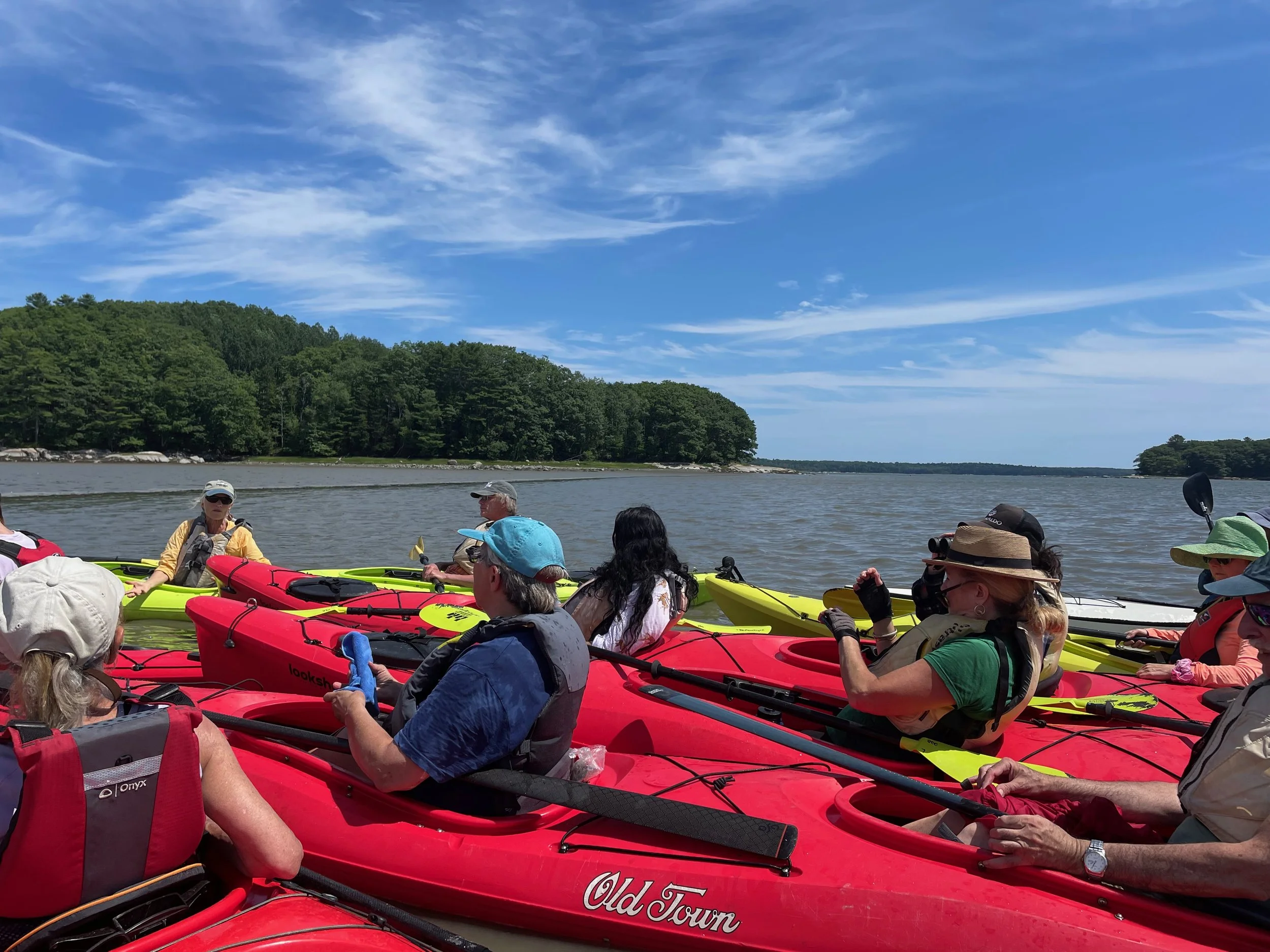
People often describe the Medomak River as pristine or untouched compared to other coastal Maine waterways. What lies behind that feeling? For many, it begins with the river's relative lack of residential development. Its broad mudflats and shallow waters have discouraged the kind of shoreline development that has transformed much of Maine's coast.
Yet those same mudflats and tidal conditions—the very qualities that make the river appear more "natural"—support an extraordinary diversity of life. Rather than favoring a single dominant use, they have long sustained many uses central to the development and identity of this area, from shellfish harvesting to shipbuilding.
NEWSLETTER #09
why does waldoboro feel conservative?
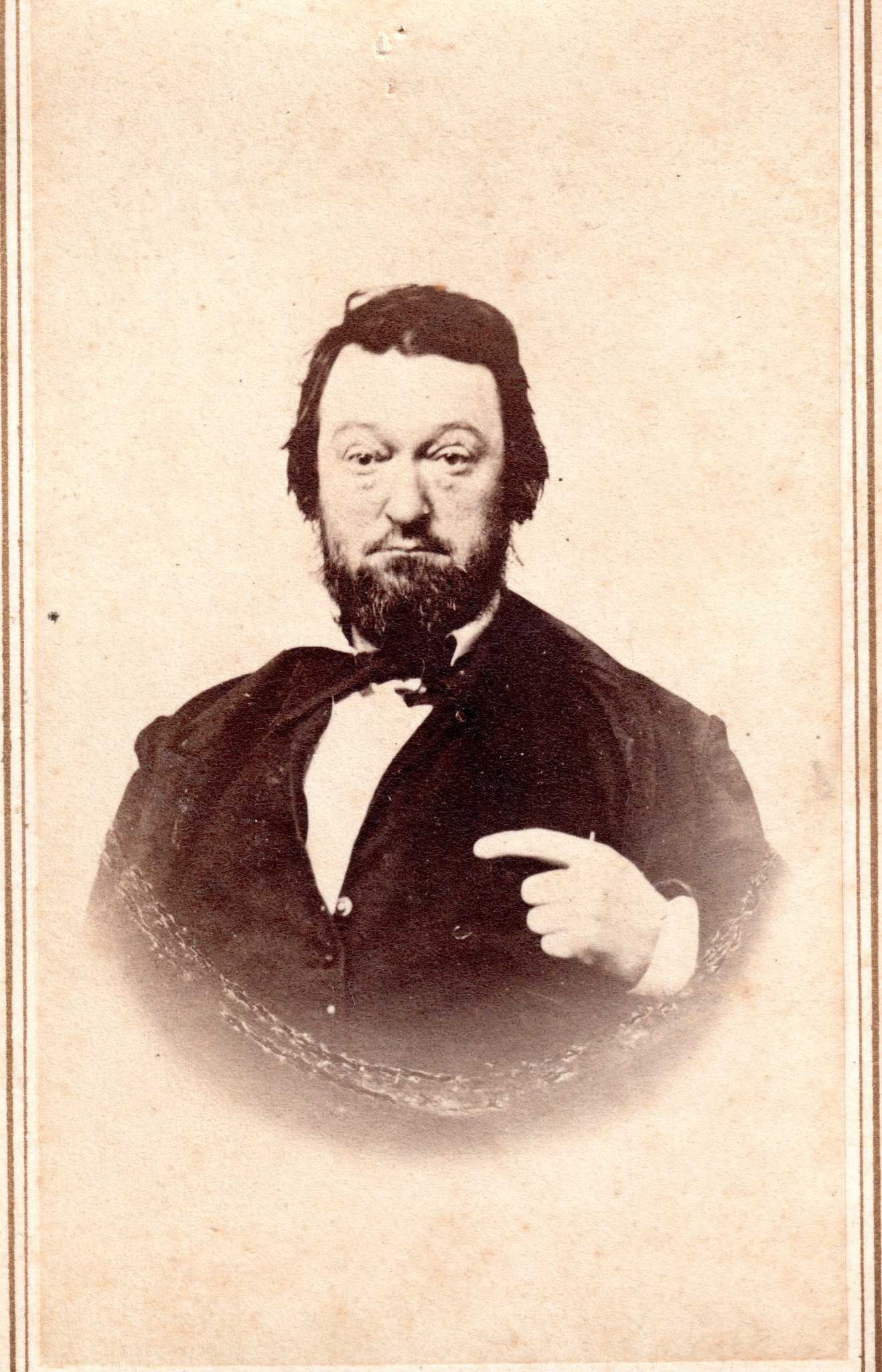
Waldoboro is often described as a conservative town. I've spent some time thinking about what that means at its most foundational level, and I believe that its core is not primarily political but emotional: a resistance to being told what to do, what to think, or what to feel, and a determination to preserve one's own sense of worth and values.
In that sense, I recognize something deeply conservative in myself.