|
Site Title ͏ ͏ ͏ ͏ ͏ ͏ ͏ ͏ ͏ ͏ ͏ ͏ ͏ ͏ ͏ ͏ ͏ ͏ ͏ ͏ ͏ ͏ ͏ ͏ ͏ ͏ ͏ ͏ ͏ ͏ ͏ ͏ ͏ ͏ ͏ ͏ ͏ ͏ ͏ ͏ ͏ ͏ ͏ ͏ ͏ ͏ ͏ ͏ ͏ ͏ ͏ ͏ ͏ ͏ ͏ ͏ ͏ ͏ ͏ ͏ ͏ ͏ ͏ ͏ ͏ ͏ ͏ ͏ ͏ ͏ ͏ ͏ ͏ ͏ ͏ ͏ ͏ ͏ ͏ ͏ ͏ ͏ ͏ ͏ ͏ ͏ ͏ ͏ ͏ ͏ ͏ ͏ ͏ ͏ ͏ ͏ ͏ ͏ ͏ ͏ ͏ ͏ ͏ ͏ ͏ ͏ ͏ ͏ ͏ ͏ ͏ ͏ ͏ ͏ ͏ ͏ ͏ ͏ ͏ ͏ ͏ ͏ ͏ ͏ ͏ ͏ ͏ ͏ ͏ ͏ ͏ ͏ ͏ ͏ ͏ ͏ ͏ ͏ ͏ ͏ ͏ ͏ ͏ ͏ ͏ ͏ ͏ ͏ ͏ ͏ ͏ ͏ ͏ ͏ ͏ ͏ ͏ ͏ ͏ ͏ ͏ ͏ ͏ ͏ ͏ ͏ ͏ ͏ ͏ ͏ ͏ ͏ ͏ ͏ ͏ ͏ ͏ ͏ ͏ ͏ ͏ ͏ ͏ ͏ ͏ ͏ ͏ ͏ ͏ ͏ ͏ ͏ ͏ ͏ ͏ ͏ ͏ ͏ ͏ ͏ ͏ ͏ ͏ ͏ ͏ ͏ ͏ ͏ ͏ ͏ ͏ ͏ ͏ ͏ ͏ ͏ ͏ ͏ ͏ ͏ ͏ ͏ ͏ ͏ ͏ ͏ ͏ ͏ ͏ ͏ ͏ ͏ ͏ ͏ ͏ ͏ ͏ ͏ ͏ ͏ ͏ ͏ ͏ ͏ ͏ ͏ ͏ ͏ ͏ ͏ ͏ ͏ ͏ ͏ ͏
The Noise and Madness of the World: Why Early Waldoboro Needed More Than One Church
|
|
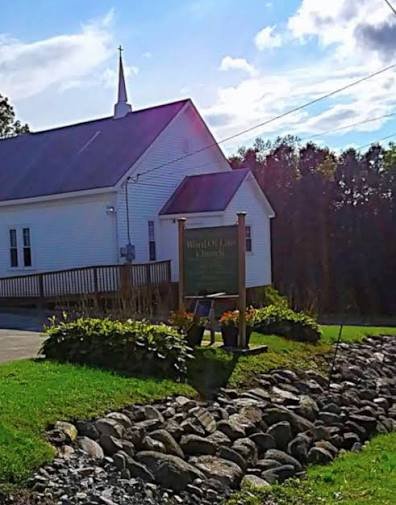
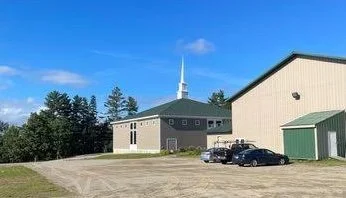
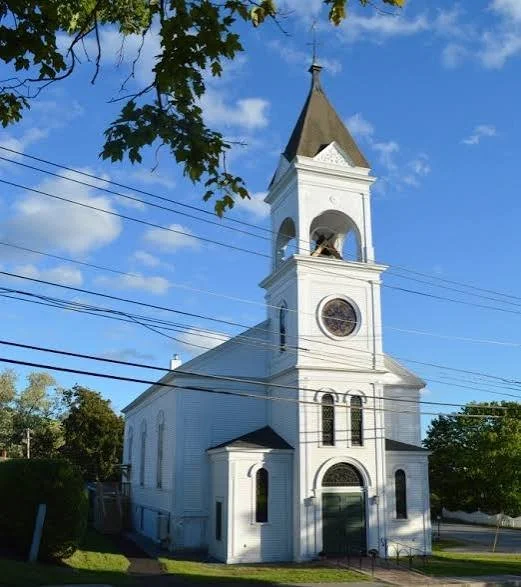
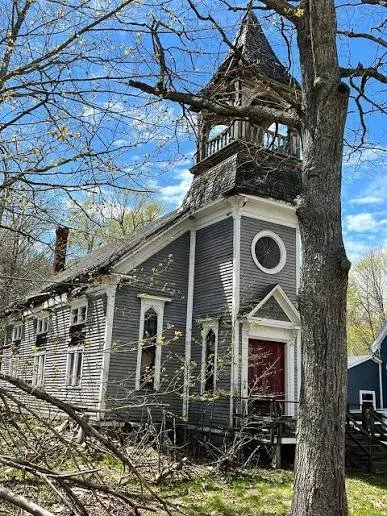
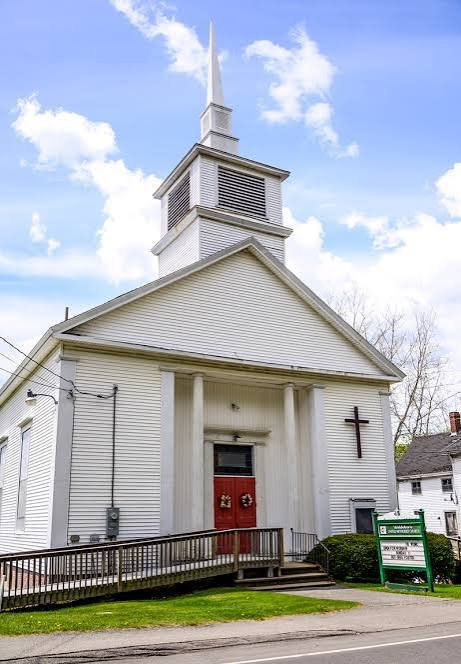
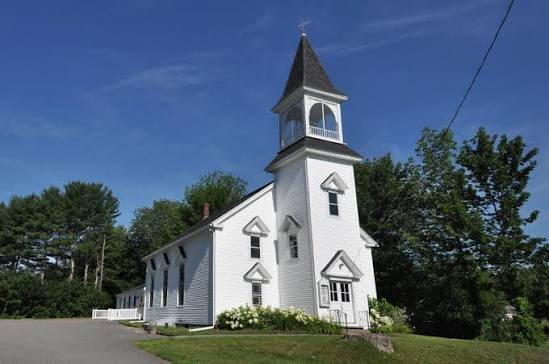
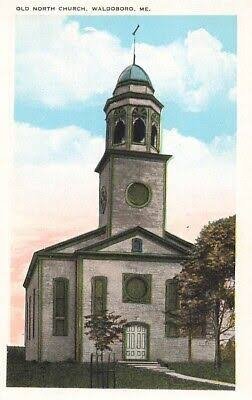
Why are there so many churches in Waldoboro? Or, for that matter, why are there so many churches throughout the United States?
|
|
The earliest German settlers of Broad Bay in the 1750s and 1760s—the settlement that became Waldoboro—belonged to at least three Protestant traditions: Lutherans, Reformed Protestants (whose roots lay with the Swiss reformer Zwingli before moving toward Calvinism), and Moravians, whose origins reached back before the Protestant Reformation itself.
|
|
Yes, these groups differed over theology—including questions such as what constituted the body and blood of Christ in communion. But those theological differences were the language through which people negotiated deeper social and emotional conditions. In Broad Bay, wartime trauma, garrison life, forced intimacy, and fear created a highly pressurized emotional environment. Religion became a way of making sense of suffering, enduring uncertainty, and imagining a better life. Under such conditions, questions of authority and leadership became deeply personal and emotionally urgent.
|
|
|
|
This helps explain why the desire for a minister was felt so intensely. A minister was a figure of recognized authority whose presence could reassure an anxious community that life still possessed order and meaning. He helped people locate themselves within history and gave them confidence that things might, somehow, be okay.
|
|
|
|
|
|
|
In 1762, the Lutheran minister John Schaeffer—whom historian Jasper Stahl ultimately describes as a quack—was hired to serve the new church at Meetinghouse Cove on the west side of the Medomak River. That same summer, the Moravians built their own church on the east side.
|

|
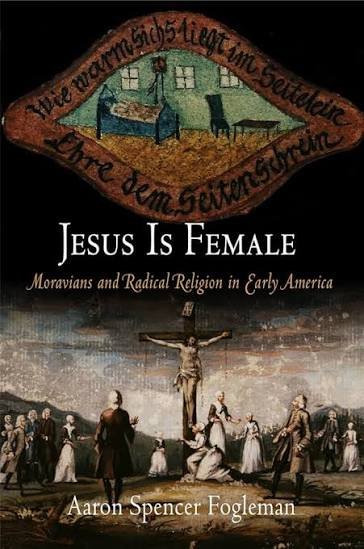
The Moravians represented a very different vision of religious life. They emphasized intimacy, egalitarianism, and emotional openness. |
|
|
|
Contemporary critics often took offense to their belief that men possessed feminine souls and should cultivate qualities such as tenderness and compliance—a striking contrast to Schaeffer's style of authority. |
|
|
|
|
|
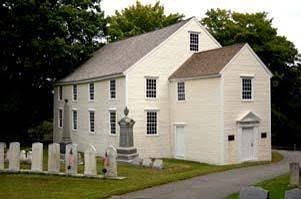
Many settlers—German and English alike—began attending the sermons of the Moravian minister Georg Soelle. He grew increasingly popular, even teaching the children of families who opposed him. Others, frustrated with Schaeffer, gathered around a schoolmaster-preacher and organized yet another congregation—the Reformed church. The building they constructed beside the Moravian lot is the Old German Church that survives today.
|
|
|
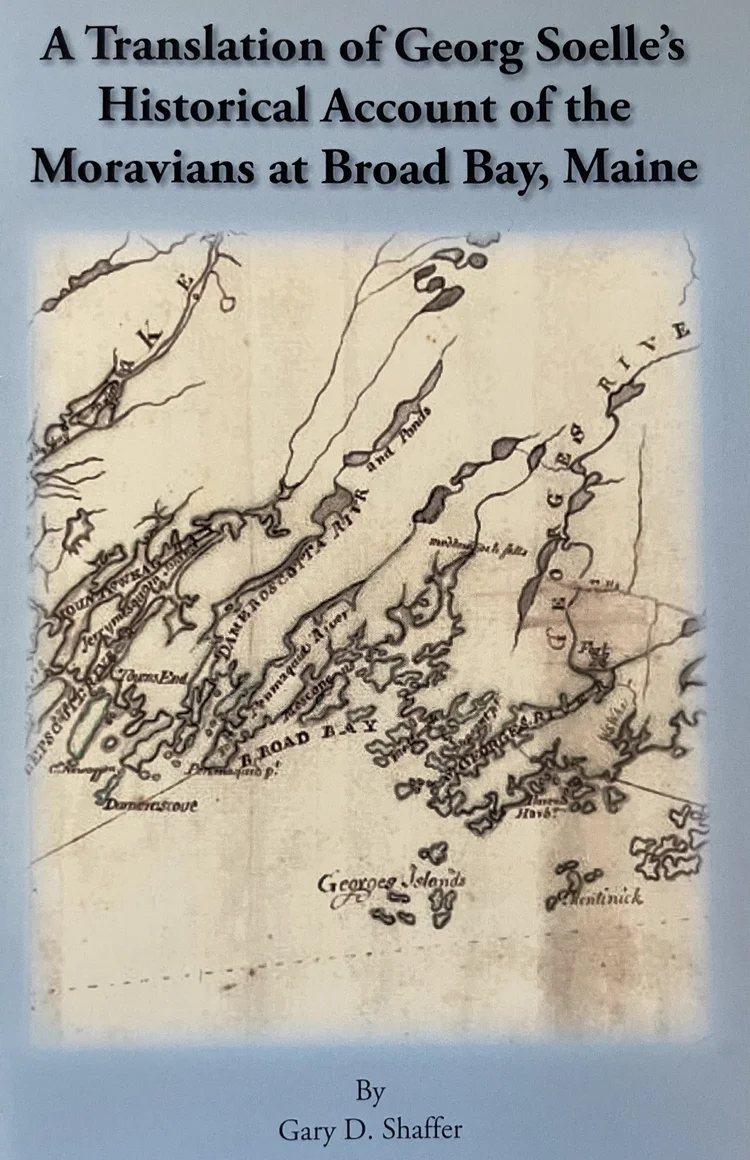
Soelle described the entire episode as "the noise and madness of the world." What is remarkable is that he understood these divisions not primarily as theological disputes but as responses to different personalities. The Protestant communities that emerged in early Waldoboro were shaped as much by differences in temperament and styles of leadership as by doctrine. |
|
|
|
|
The question was not simply What do you believe? but Whom do you trust? Which kind of presence and emotional bearing could hold together a frightened community?
|
|
The conflict reached its height when, acting under Schaeffer's direction, a group of German settlers arrived to arrest Soelle and tried to assault him. Yet many of those involved seemed uncertain why they had come. Instead, they found themselves disarmed by Soelle's gentleness and restraint.
|
|
|
|
|
|
|
We will listen for how reconciliation and renewal emerged from this "noise and madness" through Music on the River: Moravian Echoes, a site-specific performance with DownEast New Music on Saturday, July 18, at 11:00 a.m., at the site of the Old German Church before it was moved across the river (559 Friendship Road, Waldoboro).
|
|
|
|
Through new instrumental settings of Moravian hymns, historical testimony, and the landscape itself, the performance explores the emotional dimensions of community formation and the role that voice and presence play in shaping human relationships. It asks how listening itself might become a form of openness—and even a form of resistance. |
|
|
|
|
The evening before, Friday, July 17, at 5:30 p.m., please join us at Open House of History for Moravians on the Medomak, a presentation and discussion that explores these questions in greater depth: religion as lived resistance, competing models of leadership and masculinity, and how quiet assertions and restraint continue echo across time and continue to shape our own lives.
|
|
|
|
|
|
|
History is a space we all—past and present—continue to inhabit together. The emotional questions of the 1760s still animate our own time. We can enter the Feelscape of Time, encounter these people anew, and become participants in the ongoing conversation. |
|
|
|
That is ultimately what Open House of History seeks to do: make us more aware of the emotional performance of everyday life—not performance as pretense, but as the ongoing practice of becoming more open and attentive historical actors within our communities.
|
|
|
|
|
|
|
|
— Michael Amico
Director, Open House of History
|
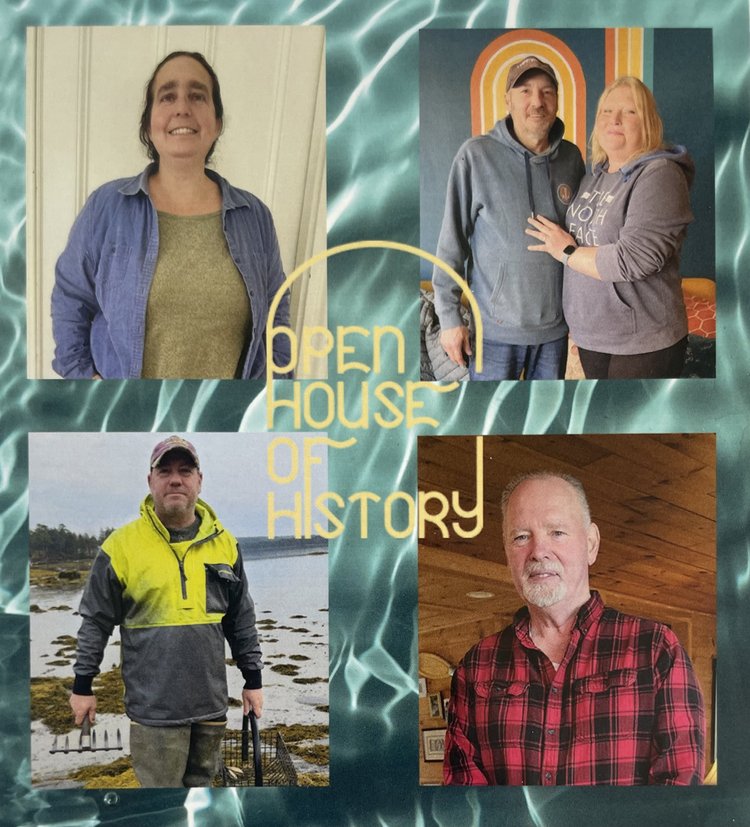
Thursday, July 9, 5:00–7:00 p.m. — Opening Reception for our Upper Level exhibition, Entering the Feelscape of Time, featuring the work of several local artists, including five life-sized drawings by Jan Arabas of local people who work on the water |
|
|
|

|
Sunday, July 12, 5:30–7:00 p.m. — Exhibition Tour and Discussion with Michael Amico and Peter Bruun of both 19 Towns / 20 Stories on the ground floor and Entering the Feelscape of Time on the upper level. |
|
|
|
|
|