|
Site Title ͏ ͏ ͏ ͏ ͏ ͏ ͏ ͏ ͏ ͏ ͏ ͏ ͏ ͏ ͏ ͏ ͏ ͏ ͏ ͏ ͏ ͏ ͏ ͏ ͏ ͏ ͏ ͏ ͏ ͏ ͏ ͏ ͏ ͏ ͏ ͏ ͏ ͏ ͏ ͏ ͏ ͏ ͏ ͏ ͏ ͏ ͏ ͏ ͏ ͏ ͏ ͏ ͏ ͏ ͏ ͏ ͏ ͏ ͏ ͏ ͏ ͏ ͏ ͏ ͏ ͏ ͏ ͏ ͏ ͏ ͏ ͏ ͏ ͏ ͏ ͏ ͏ ͏ ͏ ͏ ͏ ͏ ͏ ͏ ͏ ͏ ͏ ͏ ͏ ͏ ͏ ͏ ͏ ͏ ͏ ͏ ͏ ͏ ͏ ͏ ͏ ͏ ͏ ͏ ͏ ͏ ͏ ͏ ͏ ͏ ͏ ͏ ͏ ͏ ͏ ͏ ͏ ͏ ͏ ͏ ͏ ͏ ͏ ͏ ͏ ͏ ͏ ͏ ͏ ͏ ͏ ͏ ͏ ͏ ͏ ͏ ͏ ͏ ͏ ͏ ͏ ͏ ͏ ͏ ͏ ͏ ͏ ͏ ͏ ͏ ͏ ͏ ͏ ͏ ͏ ͏ ͏ ͏ ͏ ͏ ͏ ͏ ͏ ͏ ͏ ͏ ͏ ͏ ͏ ͏ ͏ ͏ ͏ ͏ ͏ ͏ ͏ ͏ ͏ ͏ ͏ ͏ ͏ ͏ ͏ ͏ ͏ ͏ ͏ ͏ ͏ ͏ ͏ ͏ ͏ ͏ ͏ ͏ ͏ ͏ ͏ ͏ ͏ ͏ ͏ ͏ ͏ ͏ ͏ ͏ ͏ ͏ ͏ ͏ ͏ ͏ ͏ ͏ ͏ ͏ ͏ ͏ ͏ ͏ ͏ ͏ ͏ ͏ ͏ ͏ ͏ ͏ ͏ ͏ ͏ ͏ ͏ ͏ ͏ ͏ ͏ ͏ ͏ ͏ ͏ ͏ ͏ ͏ ͏ ͏ ͏ ͏ ͏ ͏ ͏
Meeting People Where They're At: How History Begins
|

|
How do we each place ourselves in history? By looking inward. History begins as a personal act of inquiry. As we ask how and why we have become who we are, we encounter the people, relationships, and experiences that shaped us. In pursuing those questions, we gradually discover ourselves embedded within a larger world. |
|
|
|
For most of us, the crucial pivot between self and world is another person: a caretaker, parent, teacher, mentor, elder, or role model. Such figures carry a kind of authority. They can inspire us or wound us, ennoble us or diminish us. They can help us recognize our place within a larger community and our power within a deeper history, or leave us feeling confined to ourselves, hopeless and alone. Many people cope with these feelings through substances and addiction. |
|
|
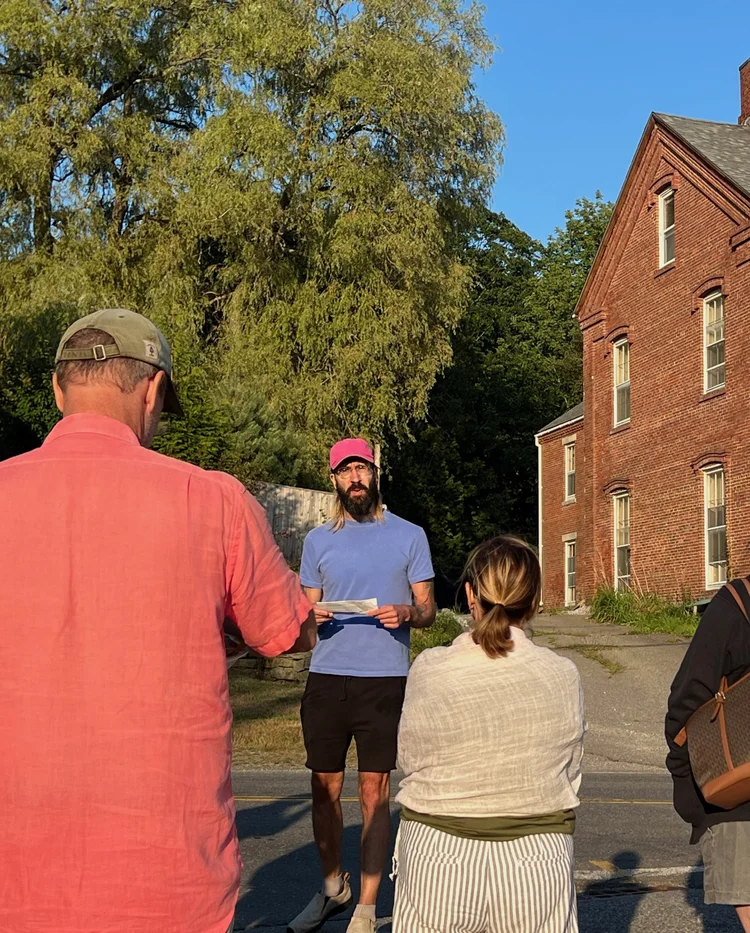
For the past year, Open House of History has collaborated with Studio B, whose mission is to use the arts and humanities in support of community justice and wellbeing. Together, we have worked to place experiences of recovery within a larger context of place and time. |
|
|
|
|
In doing so, we have explored how people recovering from addiction have become caretakers and role models for others, discovering their own authority.
|
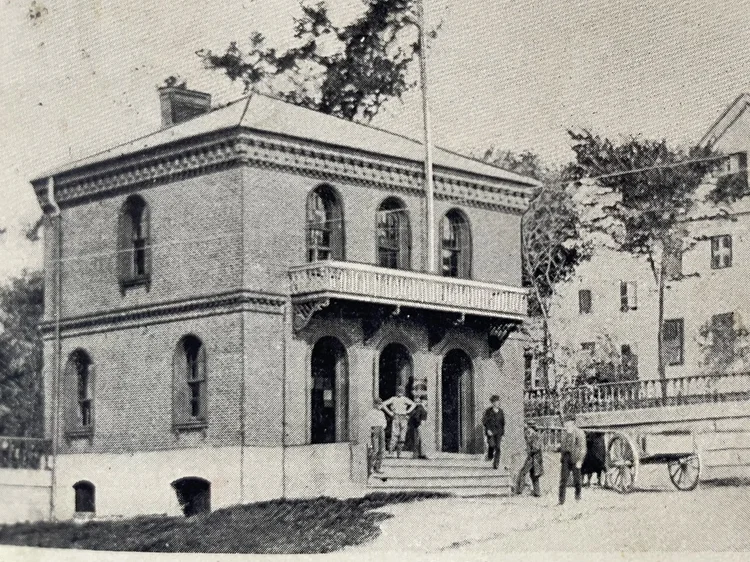
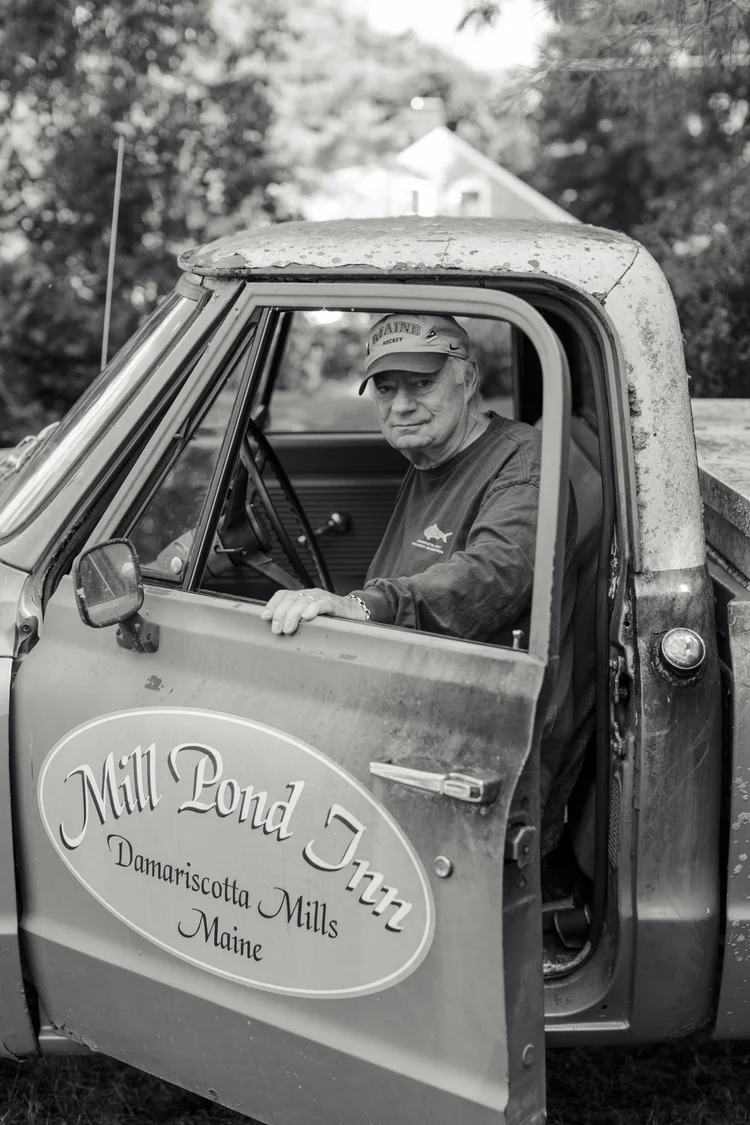
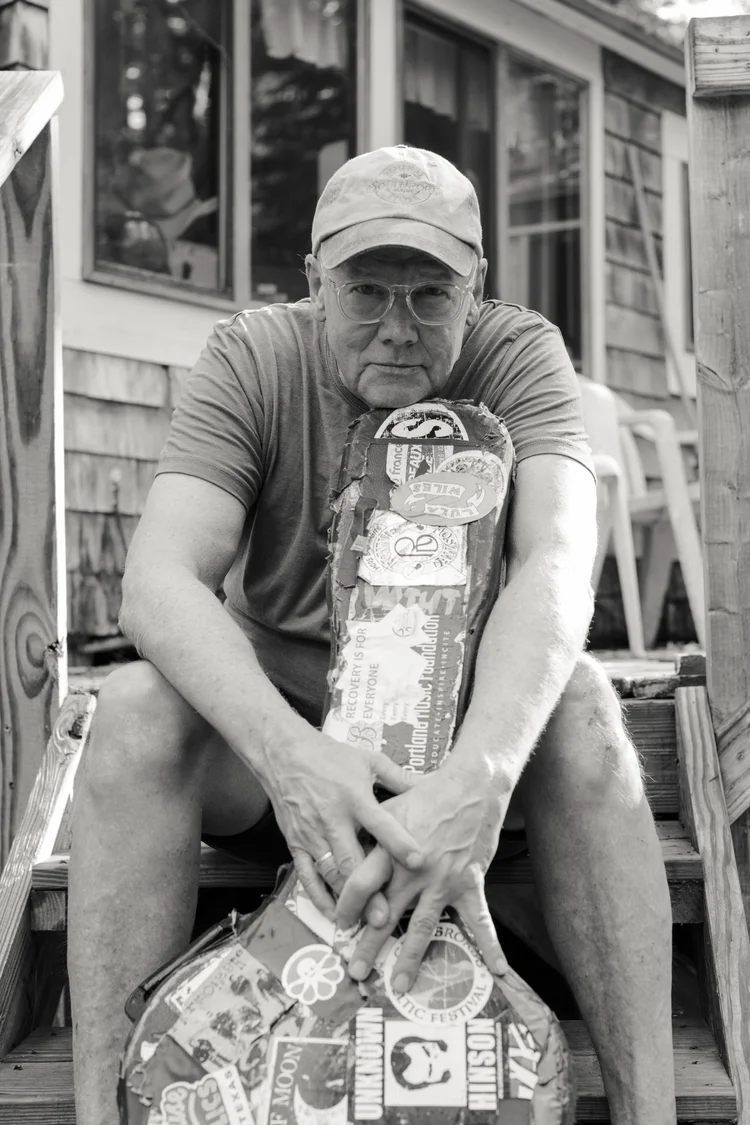
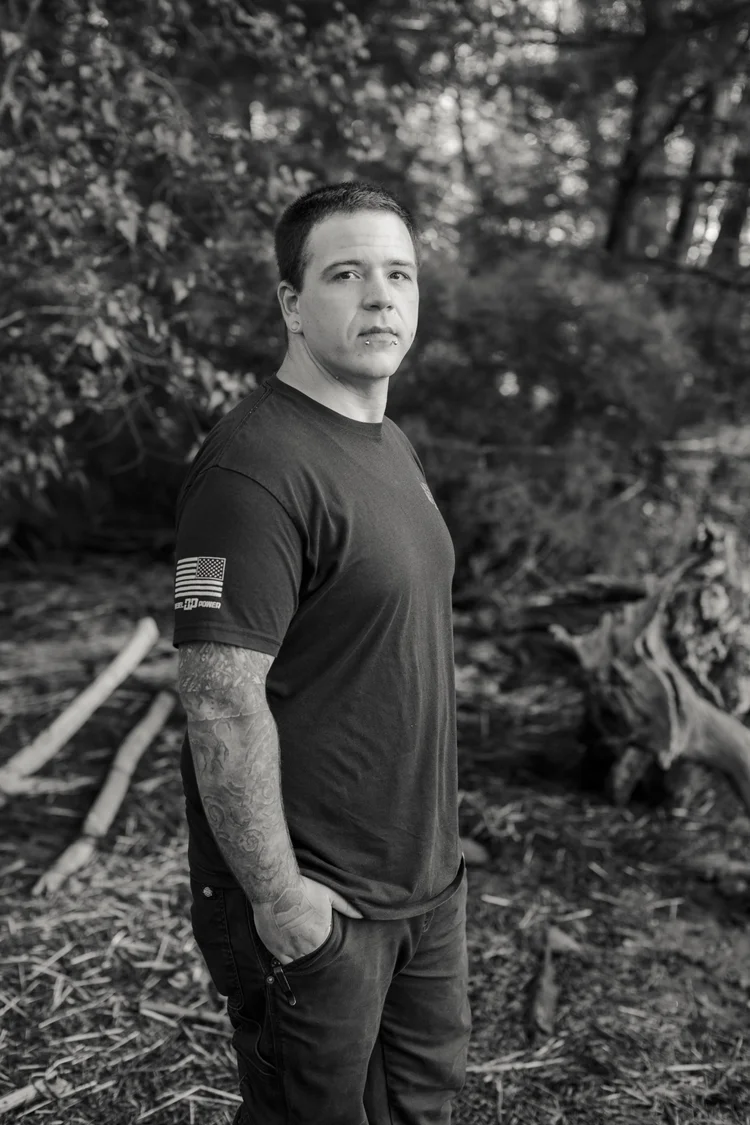
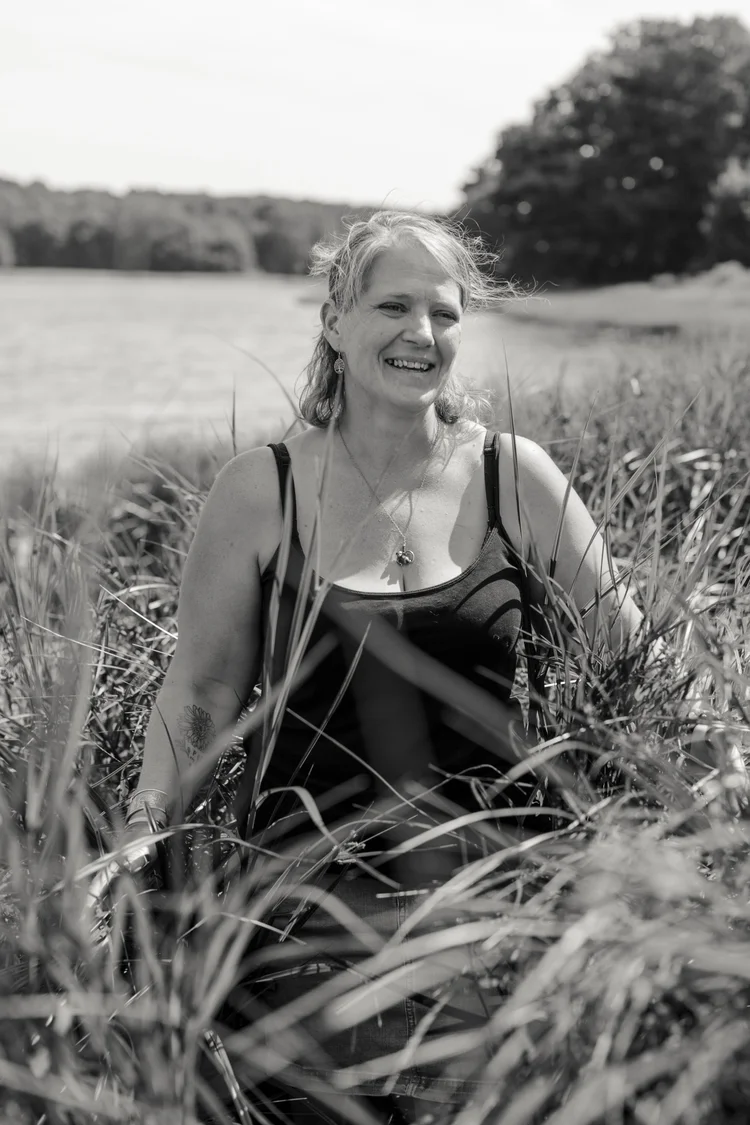
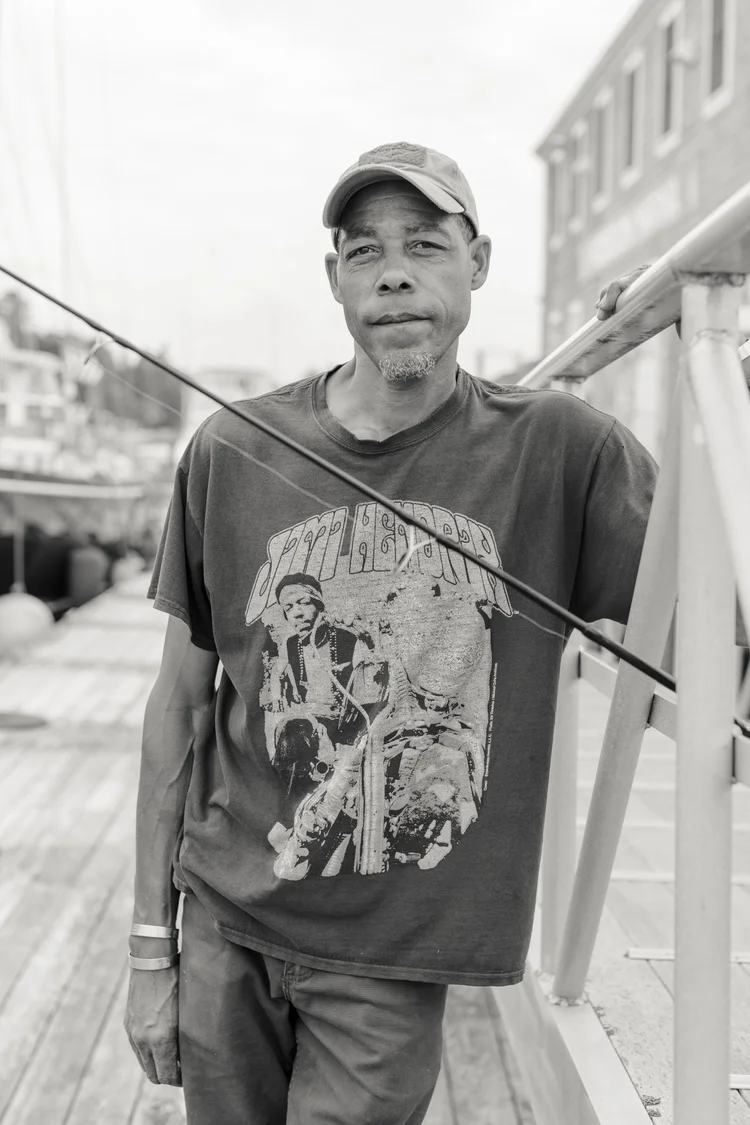
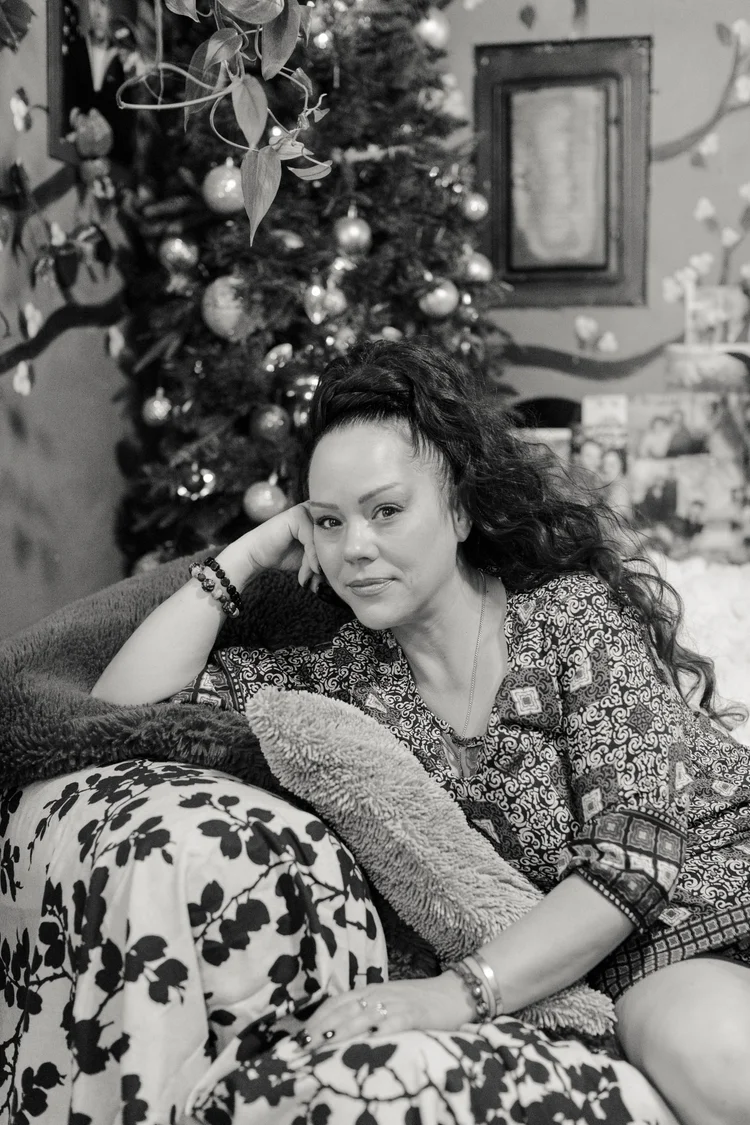
Our current collaboration, part of Emotional Currents: Between Survival and Freedom, is the next step in that relationship. The first floor of the Waldoboro Custom House is now filled with photographic portraits of twenty individuals connected to substance use disorder, each accompanied by a story of struggle and transformation. |
|

|
|
|
Together they evoke an extraordinary range of emotions: empathy, recognition, admiration, grief, outrage, hope. They also raise larger questions about place, belonging, access, and the roles we play to get along—questions that sit at the heart of both the Open House of History and the long history of the Custom House itself.
|
|
|
|
|
|
|
Over generations, countless people passed through its doors to report cargo, pay customs duties, send letters to distant connections, receive news from away, borrow books, and encounter new ideas.
|
|
Whether as a Custom House, Post Office, or Library, it has long been a place where people question what matters and reconsider their place in the world.
|
|
That process continues today. As you move among these portraits, you encounter not simply images but people whose experiences carry their own forms of authority. Their stories become part of an ongoing crossing ground where values, relationships, and meaning continue to take shape. We call this the Feelscape of Time: the threshold between who we have been and who we might become. |
|
|
The twenty people on these walls stand as guides across that threshold. Moving between survival and freedom, they invite us deeper into the feelscape of time, where personal experience opens onto larger histories and where, as natural and social conditions continue to change, we rediscover value through the emotions that shape our relationships and shared experience. That’s what we’ll explore on the upper level. |
|
|
|

|
Before then, spend time with the portraits. Our lives are shaped above all by the people we encounter and the conditions under which we meet them. We’re listening for how they model ways of moving through the world, not through occupations or beliefs, but through emotional pathways, how they are open or closed to others, connected or withdrawn, carrying the lingering spirits of past authorities and relationships into our own worlds. |
|
|
This is how the historical project begins: meeting people where they’re at. Fittingly, that phrase emerged from addiction and recovery work, where real change and belonging arise through sustained attention and communication, keeping relationships open in the places where people continue to live and gather. The people in these portraits look back at us and ask: where are you at? And how do you feel about that? |
|
|
|

|
Through our emotions, we rediscover trust. This requires revealing what may feel overlooked or unspoken before it hardens or is turned toward harm under the pressures of authority and survival. It means moving with both attention and care as we search for stability, love, and freedom. |
|
|
This is the work of Open House of History, and we continue it together with Studio B. |
|

|
|
|
This event celebrates the twenty participants in the project, with a moment of remembrance for two spirits who have passed since the project began: Bobby Whear and Pip Walter.
|
|
— Michael Amico
Director, Open House of History
|
|
|
|