|
Site Title ͏ ͏ ͏ ͏ ͏ ͏ ͏ ͏ ͏ ͏ ͏ ͏ ͏ ͏ ͏ ͏ ͏ ͏ ͏ ͏ ͏ ͏ ͏ ͏ ͏ ͏ ͏ ͏ ͏ ͏ ͏ ͏ ͏ ͏ ͏ ͏ ͏ ͏ ͏ ͏ ͏ ͏ ͏ ͏ ͏ ͏ ͏ ͏ ͏ ͏ ͏ ͏ ͏ ͏ ͏ ͏ ͏ ͏ ͏ ͏ ͏ ͏ ͏ ͏ ͏ ͏ ͏ ͏ ͏ ͏ ͏ ͏ ͏ ͏ ͏ ͏ ͏ ͏ ͏ ͏ ͏ ͏ ͏ ͏ ͏ ͏ ͏ ͏ ͏ ͏ ͏ ͏ ͏ ͏ ͏ ͏ ͏ ͏ ͏ ͏ ͏ ͏ ͏ ͏ ͏ ͏ ͏ ͏ ͏ ͏ ͏ ͏ ͏ ͏ ͏ ͏ ͏ ͏ ͏ ͏ ͏ ͏ ͏ ͏ ͏ ͏ ͏ ͏ ͏ ͏ ͏ ͏ ͏ ͏ ͏ ͏ ͏ ͏ ͏ ͏ ͏ ͏ ͏ ͏ ͏ ͏ ͏ ͏ ͏ ͏ ͏ ͏ ͏ ͏ ͏ ͏ ͏ ͏ ͏ ͏ ͏ ͏ ͏ ͏ ͏ ͏ ͏ ͏ ͏ ͏ ͏ ͏ ͏ ͏ ͏ ͏ ͏ ͏ ͏ ͏ ͏ ͏ ͏ ͏ ͏ ͏ ͏ ͏ ͏ ͏ ͏ ͏ ͏ ͏ ͏ ͏ ͏ ͏ ͏ ͏ ͏ ͏ ͏ ͏ ͏ ͏ ͏ ͏ ͏ ͏ ͏ ͏ ͏ ͏ ͏ ͏ ͏ ͏ ͏ ͏ ͏ ͏ ͏ ͏ ͏ ͏ ͏ ͏ ͏ ͏ ͏ ͏ ͏ ͏ ͏ ͏ ͏ ͏ ͏ ͏ ͏ ͏ ͏ ͏ ͏ ͏ ͏ ͏ ͏ ͏ ͏ ͏ ͏ ͏ ͏
How Nature Shapes Our Emotional Lives
|
|
|
Knowing a place, and having a sense of its history, is an emotional experience. Some people feel the presence of those who came before them. They are haunted by a shoreline, a field, a house, an old road, or the lingering spirit of a person or event. Others move through the same places without sensing that past at all. |
|
|
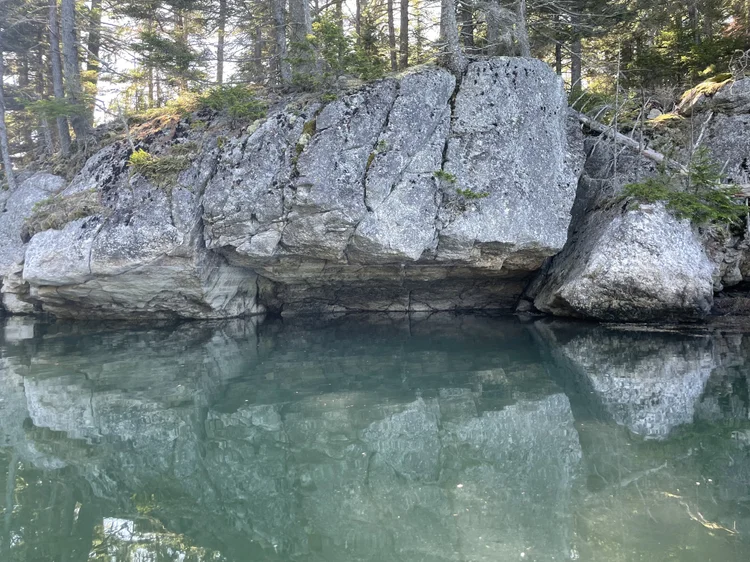
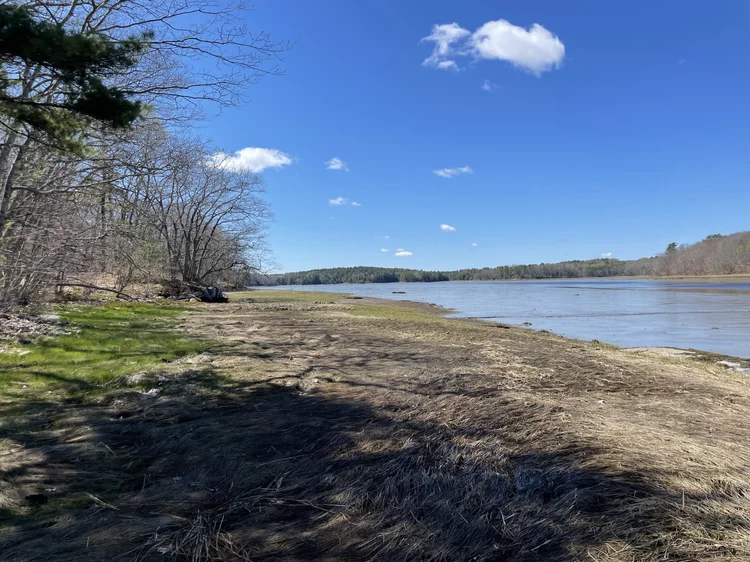
Yet the terrain of knowing a place is as unstable as the place itself. All of a sudden, the feeling of something ‘beyond’ emerges. This can most strongly happen when we’re outside, surrounded by nature.
|
|
|
|
|
|
|
|
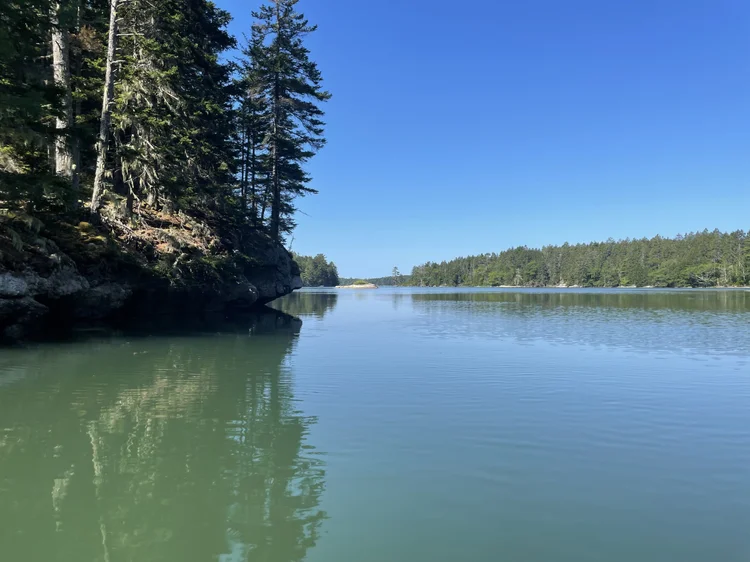
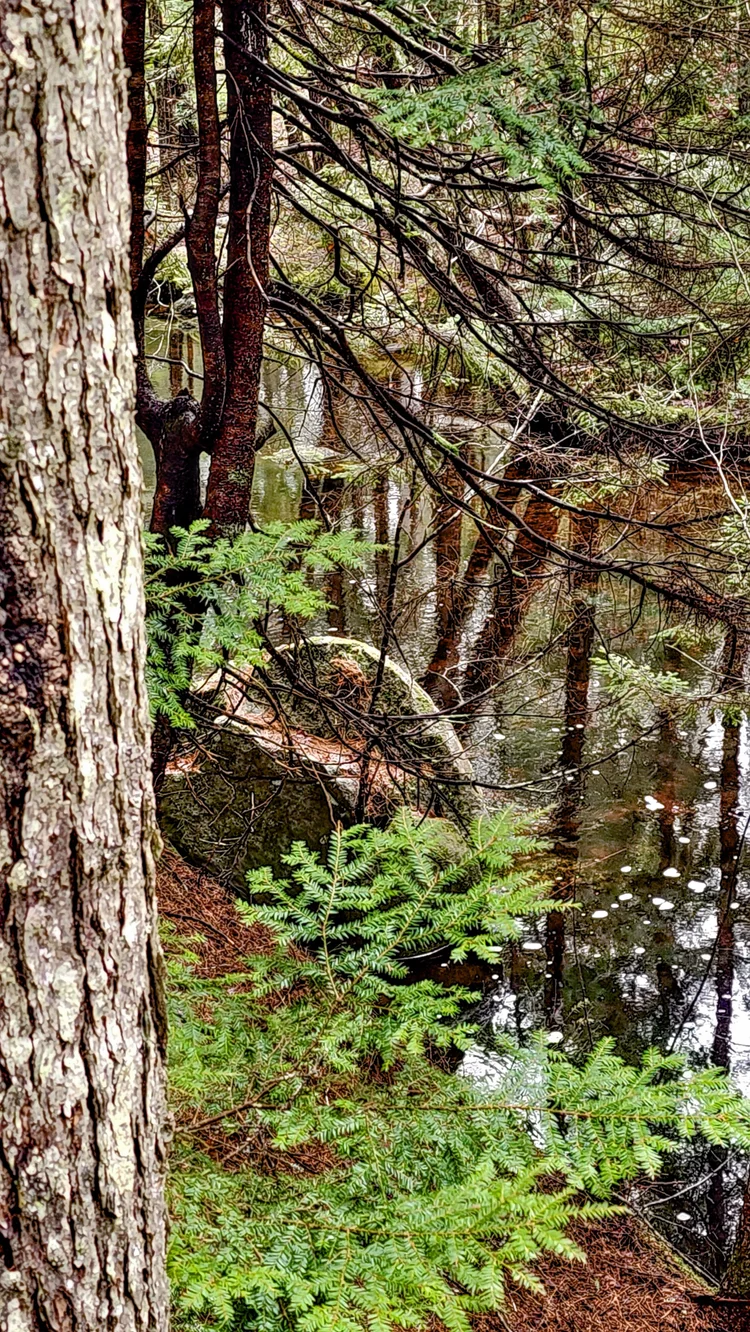
Living and working outside, from the ocean to the forest, has a way of awakening a deeper sense of place and time for us all. Everyday concerns begin to fall away. Your senses sharpen. You become more attentive to the wind and tide, the land and other life forms. You feel yourself part of complex yet foundational relationships: between yourself and other living beings, between work and survival, between fear and possibility.
|
|
|
|
|
|
That experience is not always comforting. It can bring exhilaration, wonder, clarity, and belonging. It can also evoke uncertainty and vulnerability.
|
|
|
|
|
|
|
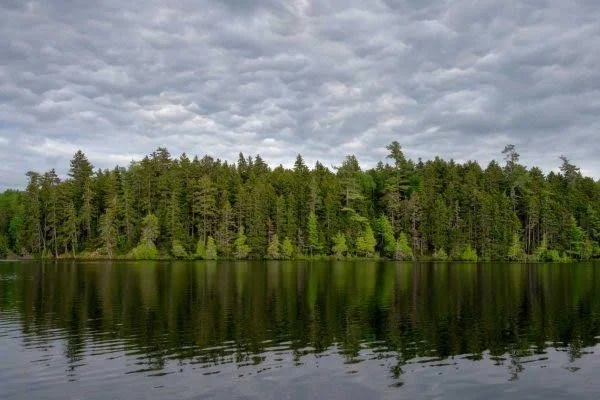
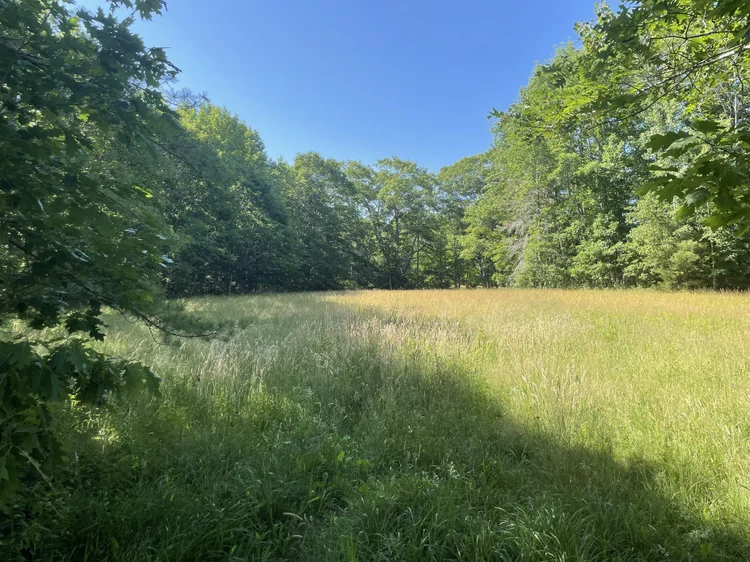
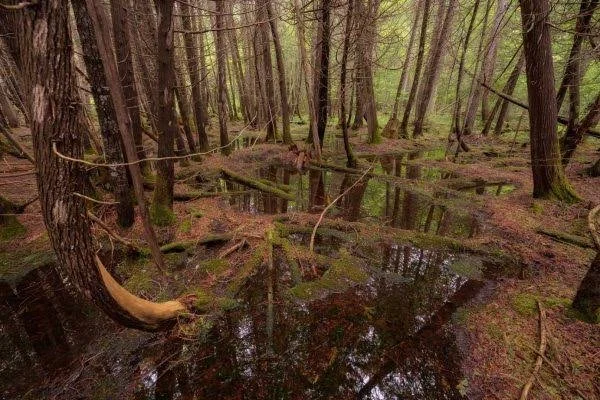
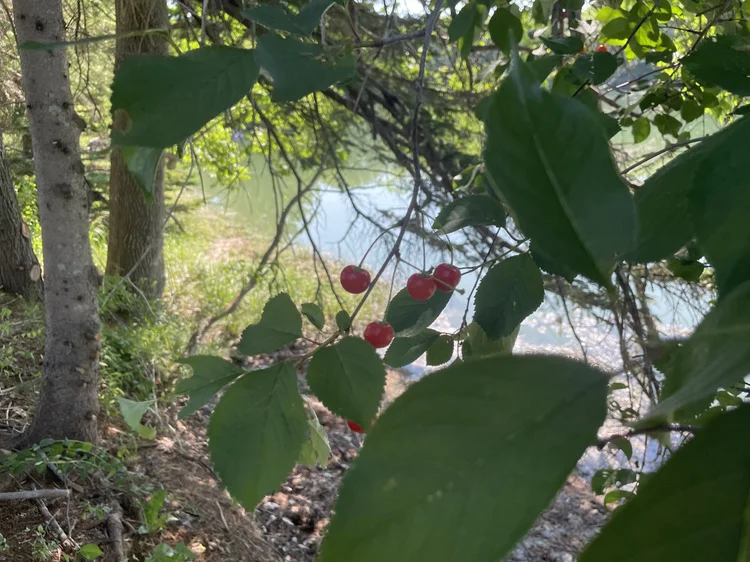
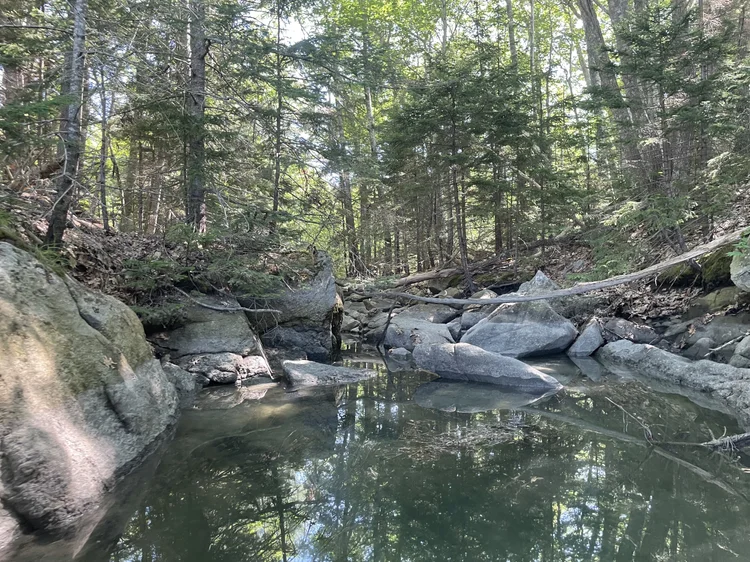
Through brief reflections from local people who work and recreate in nature, we'll consider how the emotional realities of forests, rivers, fields, mudflats, and open water shape our work and our relationships with each other. |
|
|
|
Being outside and looking more closely—at what has come before us and at what is already around us—is a form of history that is also unexpectedly freeing.
|
|
Nature clears the mind of many of its distractions. Within the feelings that arise, we begin to discover the foundations of our lives. Even fear can produce a certain clarity. We begin to recognize ourselves as participants in a very large time-spanning drama.
|
|
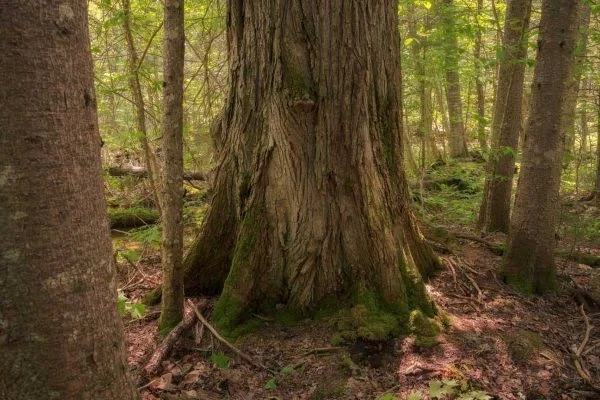
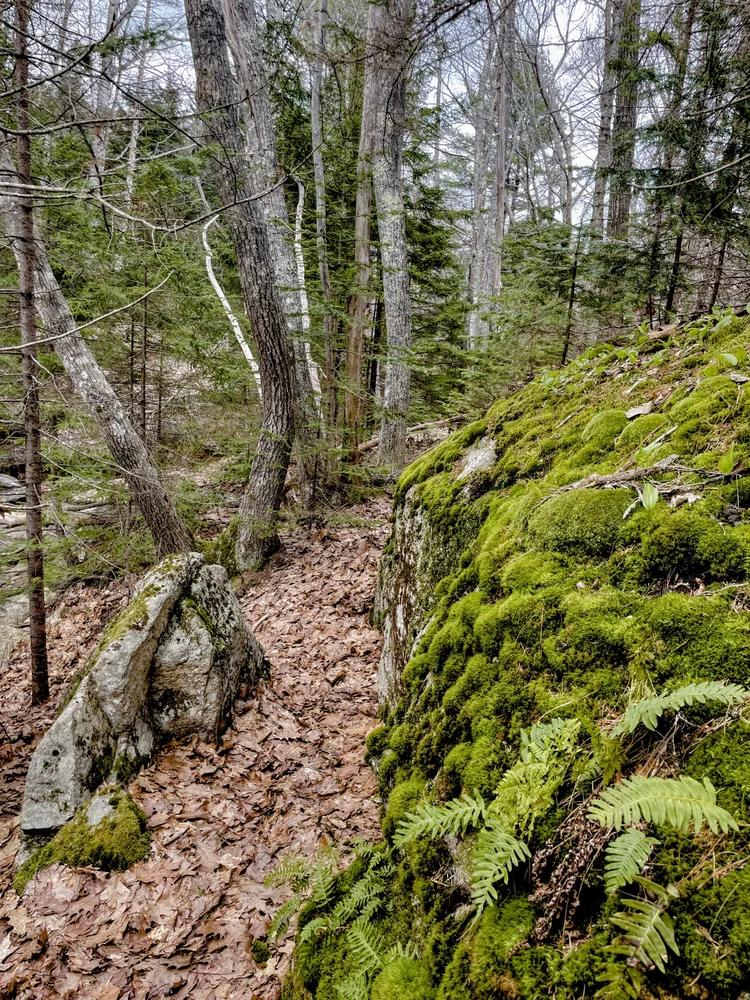
The landscape itself starts to change. We no longer see only property lines and roads. We sense the vast forests once crossed by Wabanaki people, explorers, traders, and settlers. We imagine the labor required to clear fields, build homes, survive winters, and establish communities. We feel history as an atmosphere that still surrounds us.
|
|
|
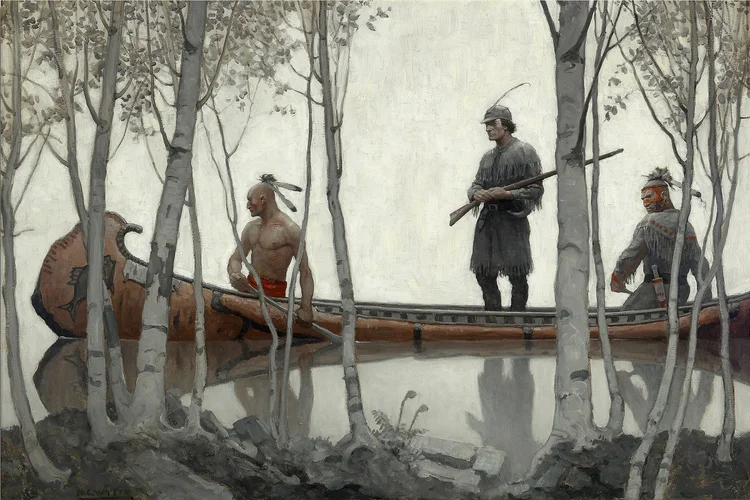
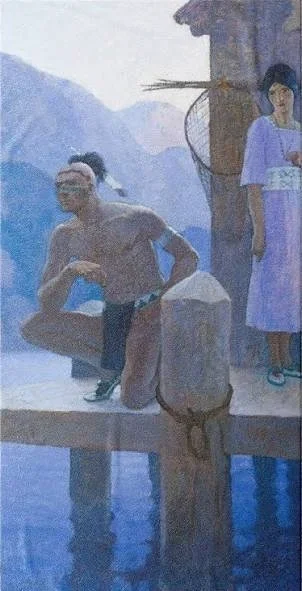
Americans have wrestled with an experience of standing between civilization and wilderness, familiarity and mystery. It appears in figures such as Leatherstocking in James Fenimore Cooper's novels, who moves between native and settler worlds without fully belonging to either. This is not a political state illuminated by the lens of settler colonialism. It is a feeling of unsettled relationships, of standing at the threshold between the known and unknown, the saved and the forlorn.
|
|
|
|
|
|
It unfolds on a frontier of fear and belief, where we feel the urge to put down roots and put up fences to protect ourselves even as we wish to move more freely and with more goodwill through the world. |
|
|
|
|
While we spin myths around these emotional states, they can re-emerge for any of us when we move through the landscape ourselves. While walking, on a boat, or working outdoors, feeling the need to exert ourselves a little more here and less there, we begin to sense how hills, shorelines, forests, and waterways once carried immediate consequences for survival. Elevations, marshes, bends in a river, dips and turns on a path, and narrow passages could mean promise or dread, abundance or scarcity, even life or death when on the attack or the defense, whether we’re at war or out hunting.
|
|
|
|
|
|
Modern mobility has softened many of these encounters. Slowing down pulls us back in time and allows geography to regain its emotional force.
|
|
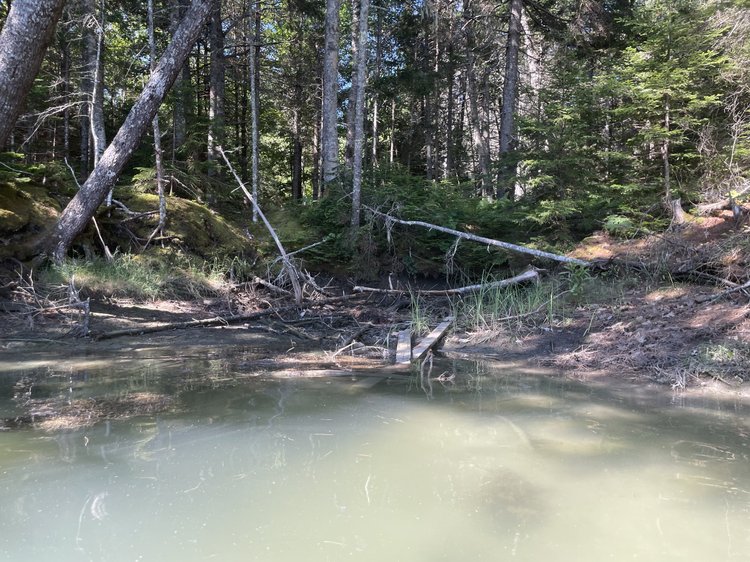
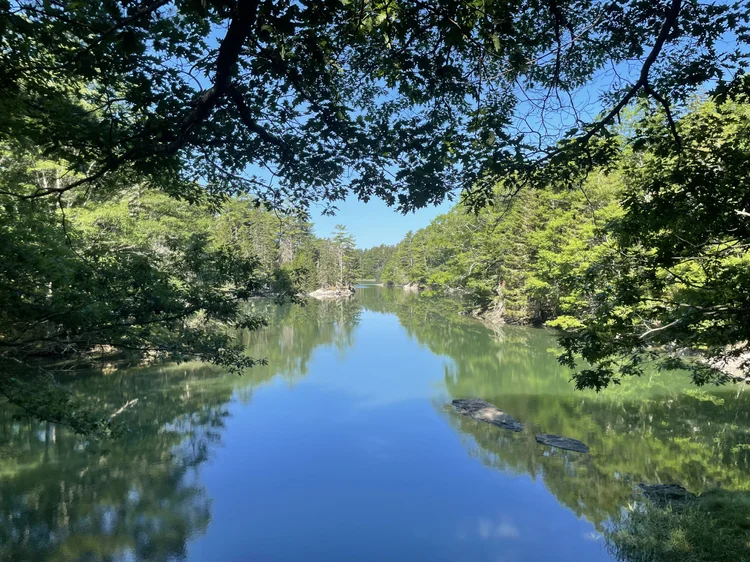
Our experience of the natural world continually bring us to boundaries: between land and water, forest and field, known and unknown, ourselves and others.
|
|
|
These boundaries are places where many people in our community work, from fishing to farming, learning how to be affected by what lies beyond themselves without feeling threatened by it. This is sympathy. It deepens our relationships with each other as well.
|
|
|
|
|
|
|
|
|
Nature is therefore not simply a backdrop of our lives. It is where our relationships continue to unfold. It is where we continue to be formed by encounters with the unknown, the foreign, the hand or call we can feel reaching out across time as we stand out there alone. Our emotions reset the deep time of our lives. There, we meet each other in new ways. |
|
|
— Michael Amico
Director, Open House of History
|

|
Friday, July 17, 5:30–7:00 p.m.
Moravians on the Medomak — Presentation and Discussion focusing on local Moravian settlers of the 1750s and 1760s, exploring religion as lived resistance, different models of leadership and masculinity, and ongoing questions of vulnerability and restraint... |
|
|
…all as it unfolded in early Waldoboro. |
|

|
|
|
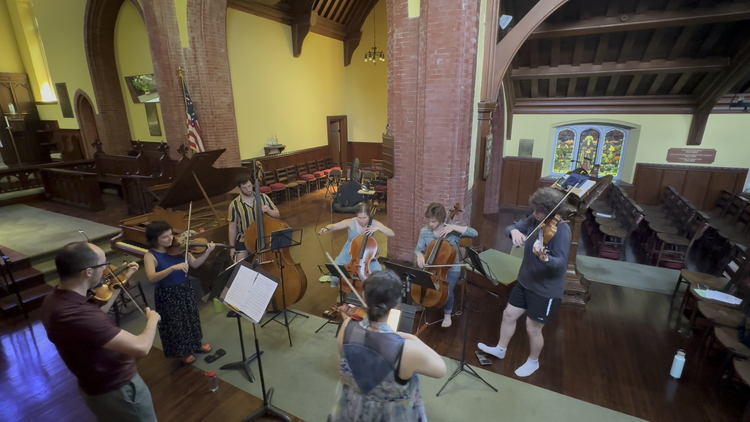
Saturday, July 18, 11 a.m.
559 Friendship Rd., Waldoboro
Proceed all the way down the driveway. |
|
|
|
|
|
|