|
Site Title ͏ ͏ ͏ ͏ ͏ ͏ ͏ ͏ ͏ ͏ ͏ ͏ ͏ ͏ ͏ ͏ ͏ ͏ ͏ ͏ ͏ ͏ ͏ ͏ ͏ ͏ ͏ ͏ ͏ ͏ ͏ ͏ ͏ ͏ ͏ ͏ ͏ ͏ ͏ ͏ ͏ ͏ ͏ ͏ ͏ ͏ ͏ ͏ ͏ ͏ ͏ ͏ ͏ ͏ ͏ ͏ ͏ ͏ ͏ ͏ ͏ ͏ ͏ ͏ ͏ ͏ ͏ ͏ ͏ ͏ ͏ ͏ ͏ ͏ ͏ ͏ ͏ ͏ ͏ ͏ ͏ ͏ ͏ ͏ ͏ ͏ ͏ ͏ ͏ ͏ ͏ ͏ ͏ ͏ ͏ ͏ ͏ ͏ ͏ ͏ ͏ ͏ ͏ ͏ ͏ ͏ ͏ ͏ ͏ ͏ ͏ ͏ ͏ ͏ ͏ ͏ ͏ ͏ ͏ ͏ ͏ ͏ ͏ ͏ ͏ ͏ ͏ ͏ ͏ ͏ ͏ ͏ ͏ ͏ ͏ ͏ ͏ ͏ ͏ ͏ ͏ ͏ ͏ ͏ ͏ ͏ ͏ ͏ ͏ ͏ ͏ ͏ ͏ ͏ ͏ ͏ ͏ ͏ ͏ ͏ ͏ ͏ ͏ ͏ ͏ ͏ ͏ ͏ ͏ ͏ ͏ ͏ ͏ ͏ ͏ ͏ ͏ ͏ ͏ ͏ ͏ ͏ ͏ ͏ ͏ ͏ ͏ ͏ ͏ ͏ ͏ ͏ ͏ ͏ ͏ ͏ ͏ ͏ ͏ ͏ ͏ ͏ ͏ ͏ ͏ ͏ ͏ ͏ ͏ ͏ ͏ ͏ ͏ ͏ ͏ ͏ ͏ ͏ ͏ ͏ ͏ ͏ ͏ ͏ ͏ ͏ ͏ ͏ ͏ ͏ ͏ ͏ ͏ ͏ ͏ ͏ ͏ ͏ ͏ ͏ ͏ ͏ ͏ ͏ ͏ ͏ ͏ ͏ ͏ ͏ ͏ ͏ ͏ ͏ ͏
Why Does Waldoboro Feel Conservative?
|
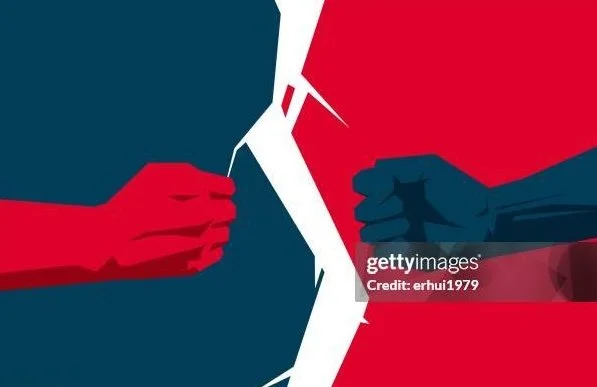
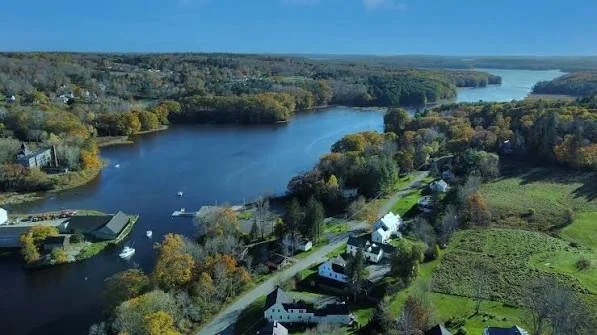
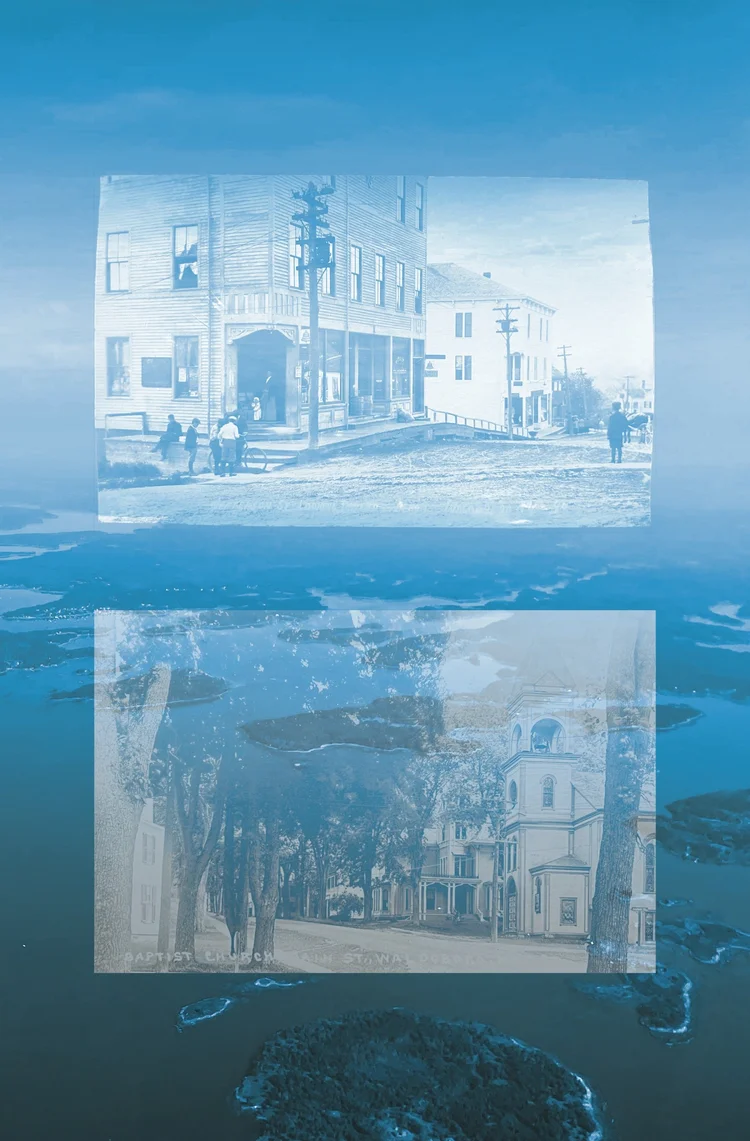
Waldoboro is often described as a conservative town. I've spent some time thinking about what that means at its most foundational level, and I believe that its core is not primarily political but emotional: a resistance to being told what to do, what to think, or what to feel, and a determination to preserve one's own sense of worth and values. |
|
|
|
|
In that sense, I recognize something deeply conservative in myself.
|
|
|
But when combined with economic insecurity, changing social conditions, political ideologies, disappointment, or personal loss, it can take very different forms. It can become wary, guarded, suspicious, withdrawn. People can grow isolated, more resigned. They begin to feel forgotten or that there is no longer a place for them in the world. Hopelessness takes root. Sometimes substance abuse follows.
|
|
|
|
|
|
|
|
That is hardly unique to Waldoboro.
|
Yet the 19 Towns / 20 Stories exhibition on the ground floor of Open House of History reminds us that substance use disorder is always experienced through the particular circumstances, relationships, and emotional conditions of a place. |
|

|
|
|
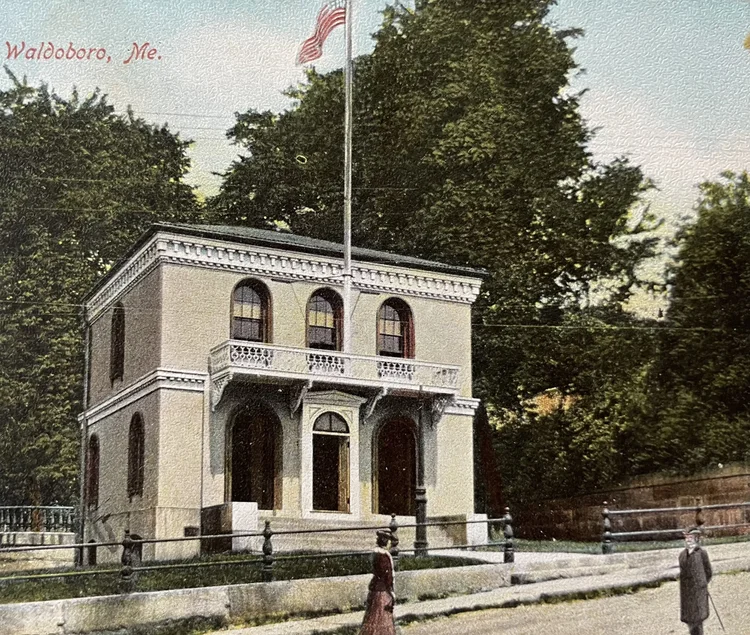
I want to add another portrait to those represented there—the first person to work in the building as Collector of Customs.
|
|
His name is John H. Kennedy.
|

|
By the early months of 1863, in the midst of the Civil War, Kennedy was overwhelmed. He had suffered financial setbacks, though he was not destitute. As a member of the opposing party, he lost his position as Collector of Customs after the election of Abraham Lincoln. He became socially isolated. He was bullied and humiliated. He struggled to sleep. To quiet his thoughts, he took drugs to help him rest. He took too much. He never woke up. He died on March 30, 1863, at the age of forty-five. |
|
|
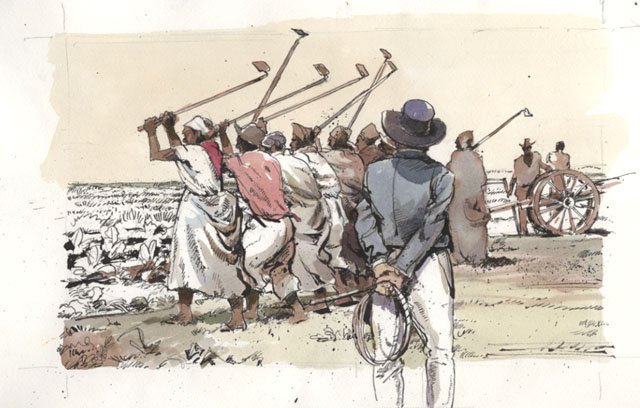
Politically, Kennedy believed that slavery should remain a matter for individual states to decide.
|
|
|
|
|
What do you feel about him now? Was he the “wrong” kind of conservative?
|
|
Many of us, craving order or simply trying to be understood ourselves, offer categorical distinctions and diagnoses, increasingly rigid ideas about ourselves and others.
|
|
|
|
|
|
|
Sometimes these frameworks help us move past specific traumatic experiences. Sometimes they just explain what none of us can fully control or understand.
|
|
|
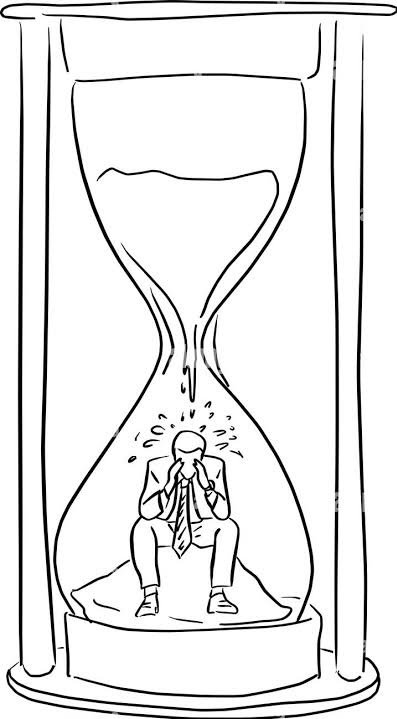
But when our values and worth become too dependent on separate sides, our emotional lives begin to compress into an ever present tense. |
|
|
|
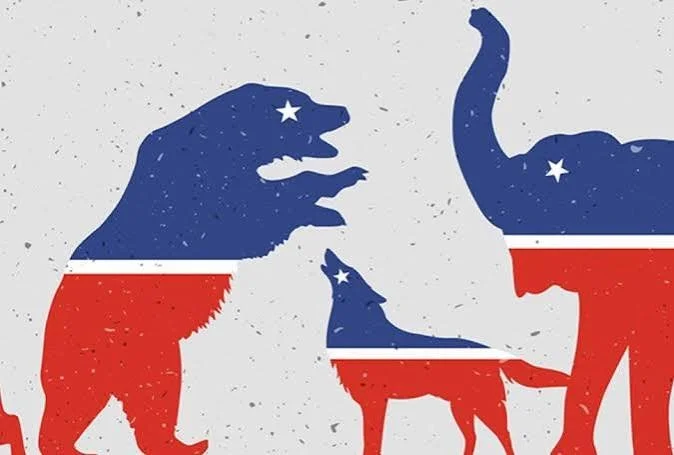
We are easily frazzled. We find ourselves perpetually on the edge of anger or disappointment, certainty or despair, whatever our politics. |
|
|
|
|
|
That is what seems so haunting about Kennedy. Whatever his political views, he appears to have reached a point where his present circumstances felt permanent. Anxiety, resentment, shame, and hopelessness become harder to escape—not because of a particular political position, but because we feel there is nowhere else to go. Isolation grows. Every place feels the same.
|
|
|
|
|
|
|
The space to think and feel more freely—the space of history—has collapsed.
|
|
History is what opens the relationships and conditions that shape us, revealing where our feelings take root.
|
|
|
History brings understanding of Waldoboro's conservatism, including its guardedness or resignation; of why this town developed differently from neighboring communities; of how its emotional relationships around authority, work, survival, and freedom continue to shape life here today. |
|
|
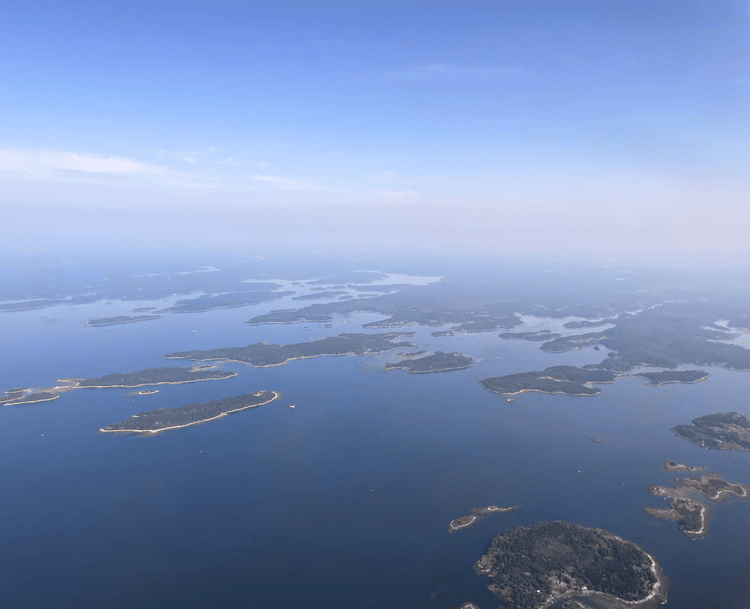
Recovery is a historical process. It begins by asking what lies behind the labels we give to people and places, exploring the specific conditions that gave rise to the feelings that animate them in the first place. |
|
|
|
|
In doing so, we remain open to the meanings from the past that are still unfolding and to the ways they continue to affect us.
|
|
|
|
|
|
We remain in conversation with everyone before us.
|
|
|
|
|
|
|
Join us on Saturday, August 8, at 5:30 p.m. for our final presentation of the summer as we open up John H. Kennedy's present tense—and our own—and meet one another in the space between for a discussion.
|
|
We gather in a building that has continually expanded what it means to share values as a community: first as a Custom House collecting taxes, then a Post Office carrying letters, later a library exchanging books, and now an Open House of History exploring the emotional forces that shape our lives.
|
|
|
|
|
|
|
|
We continue to move from what has been dictated and settled toward what is still waiting to be heard, seen, imagined, and felt; toward the relationships and possibilities that our fixed identities have overlooked or silenced; toward the feelings that generate and conserve our sense of self.
|
|
|
|
|
|
— Michael Amico
Director, Open House of History
|

|
Watch Music on the River: Moravian Echoes, a site-specific musical and theatrical performance along the shores of the Medomak River with DownEast New Music—exploring the themes and questions of the discussion the night before. |
|
|
|
|
|