|
Site Title ͏ ͏ ͏ ͏ ͏ ͏ ͏ ͏ ͏ ͏ ͏ ͏ ͏ ͏ ͏ ͏ ͏ ͏ ͏ ͏ ͏ ͏ ͏ ͏ ͏ ͏ ͏ ͏ ͏ ͏ ͏ ͏ ͏ ͏ ͏ ͏ ͏ ͏ ͏ ͏ ͏ ͏ ͏ ͏ ͏ ͏ ͏ ͏ ͏ ͏ ͏ ͏ ͏ ͏ ͏ ͏ ͏ ͏ ͏ ͏ ͏ ͏ ͏ ͏ ͏ ͏ ͏ ͏ ͏ ͏ ͏ ͏ ͏ ͏ ͏ ͏ ͏ ͏ ͏ ͏ ͏ ͏ ͏ ͏ ͏ ͏ ͏ ͏ ͏ ͏ ͏ ͏ ͏ ͏ ͏ ͏ ͏ ͏ ͏ ͏ ͏ ͏ ͏ ͏ ͏ ͏ ͏ ͏ ͏ ͏ ͏ ͏ ͏ ͏ ͏ ͏ ͏ ͏ ͏ ͏ ͏ ͏ ͏ ͏ ͏ ͏ ͏ ͏ ͏ ͏ ͏ ͏ ͏ ͏ ͏ ͏ ͏ ͏ ͏ ͏ ͏ ͏ ͏ ͏ ͏ ͏ ͏ ͏ ͏ ͏ ͏ ͏ ͏ ͏ ͏ ͏ ͏ ͏ ͏ ͏ ͏ ͏ ͏ ͏ ͏ ͏ ͏ ͏ ͏ ͏ ͏ ͏ ͏ ͏ ͏ ͏ ͏ ͏ ͏ ͏ ͏ ͏ ͏ ͏ ͏ ͏ ͏ ͏ ͏ ͏ ͏ ͏ ͏ ͏ ͏ ͏ ͏ ͏ ͏ ͏ ͏ ͏ ͏ ͏ ͏ ͏ ͏ ͏ ͏ ͏ ͏ ͏ ͏ ͏ ͏ ͏ ͏ ͏ ͏ ͏ ͏ ͏ ͏ ͏ ͏ ͏ ͏ ͏ ͏ ͏ ͏ ͏ ͏ ͏ ͏ ͏ ͏ ͏ ͏ ͏ ͏ ͏ ͏ ͏ ͏ ͏ ͏ ͏ ͏ ͏ ͏ ͏ ͏ ͏ ͏
Cars, and Jasper Stahl’s Emotional History of Waldoboro
|
|
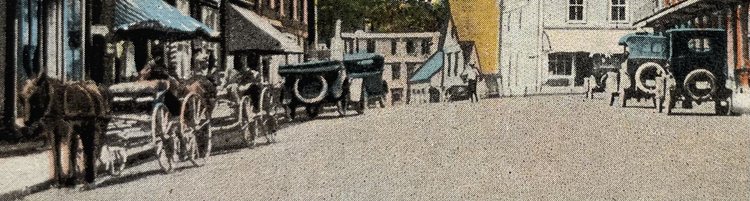
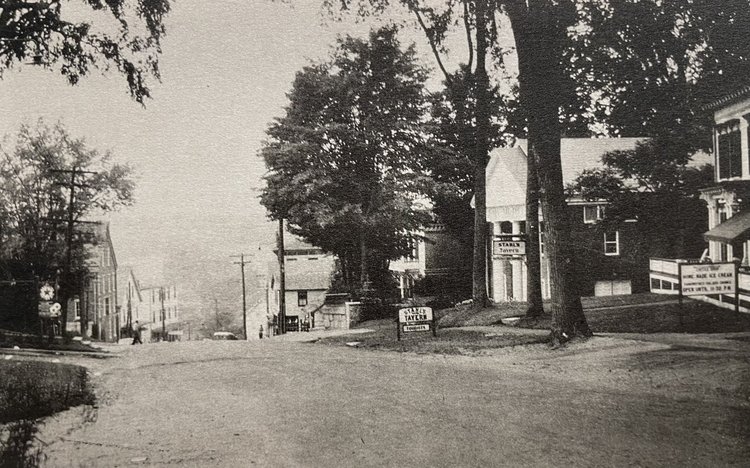
Jasper Stahl, in his monumental two-volume history of Waldoboro published seventy-five years ago, wrote that the advent of cars had, "more than any other single factor ... dissipated" the antagonism between the village of Waldoboro and the farther reaches of the town's boundaries.
|
|
You might wonder what “antagonism” he meant. Or why it was necessary to break the town up in this way.
|
|
For the last six months, a group of residents has been meeting regularly to discuss Stahl's history, paying particular attention to how central these divisions were to the character and development of Waldoboro over two and a half centuries.
|
|
We have been exploring not only the events of the town's past, but the feelings that emerged from them—the ways changing natural and social conditions shaped emotions that, in turn, shaped the possibilities and obstacles of community life.
|
|
|
|
|
|
|
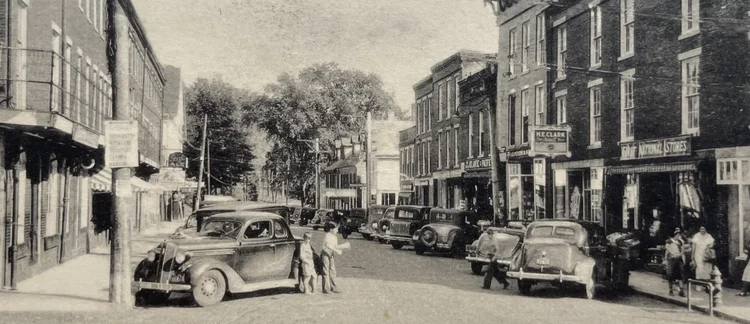
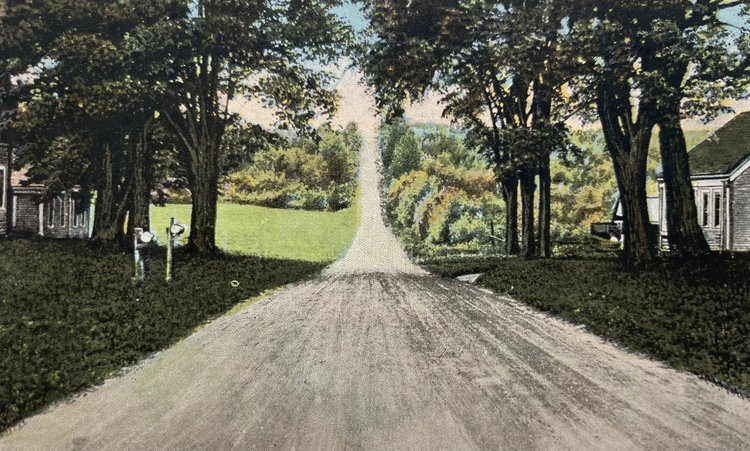
The car transformed Waldoboro. It became easier for people living in different parts of town to visit one another and patronize the same businesses. Children gained access to the same educational opportunities and friendships. Fires could be fought throughout the town.
|
|
The automobile helped create what Stahl called a "common social life." In his words, it had "unified the town so hopelessly and damagingly divided for two centuries."
|
|
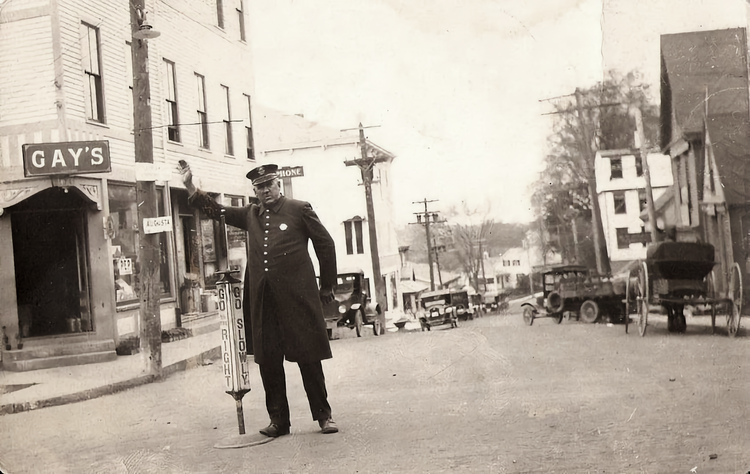
In terms of emotion, however, it is never so simple. Nor was it for Stahl, who could never quite hold his ambivalence in check. The automobile was also a "curse." Cars did not slow down or quiet down. They became a nuisance to walkers and horse-drawn traffic. Residents quickly passed ordinances limiting speeds in the village to eight miles per hour. Soon a traffic officer stood watch at the Four Corners.
|
|
|
|
|
|
|
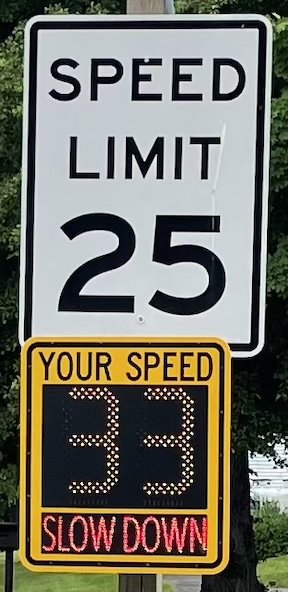
Today, we have newly installed radar speed signs and more traffic-calming measures to come.
|
|
The tensions—and the feelings—remain familiar. Some people feel liberated by mobility and speed; others feel skittish or even outraged by speeding vehicles and revving engines. |
|
|
|
|
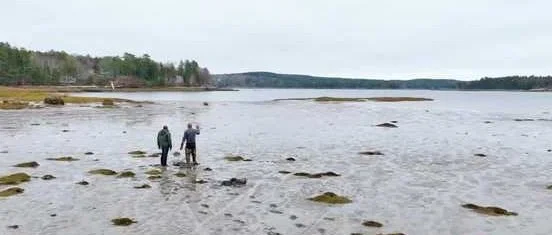
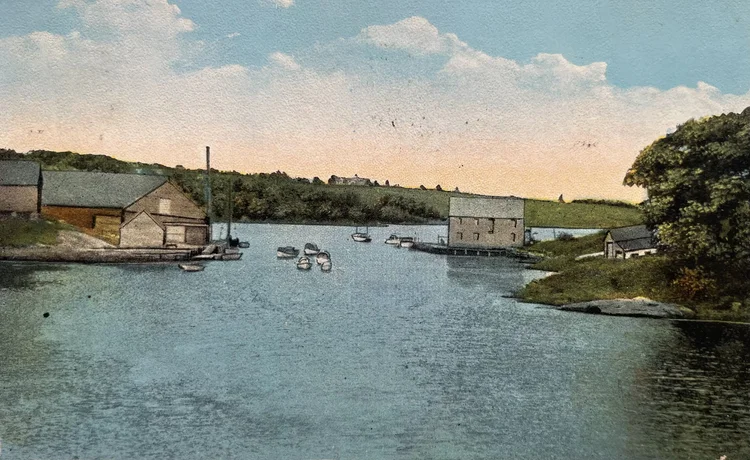
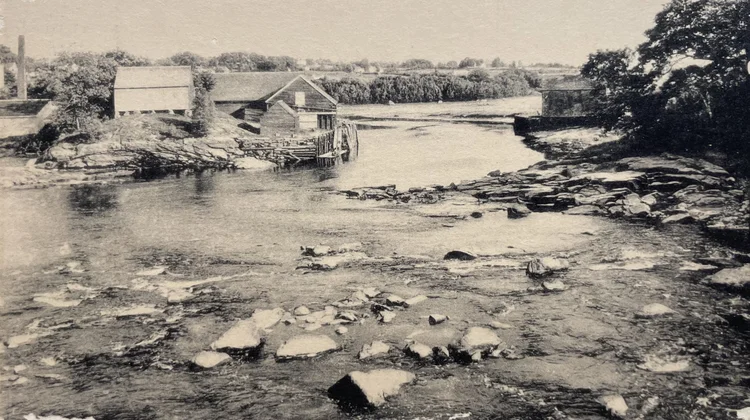
Behind these technological changes were powerful forces that people learned to harness and build lives around. Before cars brought access, wind filled sails, enabled fishing economies, and connected this coast to the wider world. The building of larger sailing ships generated fortunes. Rivers powered mills and industry. Tides exposed flats for harvesting.
|
|
|
|
|
|
All of these currents move through our world. Once we begin to understand what gives rise to them, we can learn to move within them rather than be carried away by them. |
|
|
The same is true of emotions. Emotions arise as ways of managing what remains beyond our knowledge and control. They provide forms of order and meaning as we encounter uncertainty in our daily lives. |
|
|
|
|
We can never fully know another person, not even those closest to us. Yet relationships endure through emotions such as love and resentment, generosity and jealousy, trust and fear. Like the tidal currents created by the gravitational pull between the Earth and the Moon, emotions emerge through the movements of one body in relation to another. They are what hold us together as we grapple with the unknown.
|
|
|
|
|
|
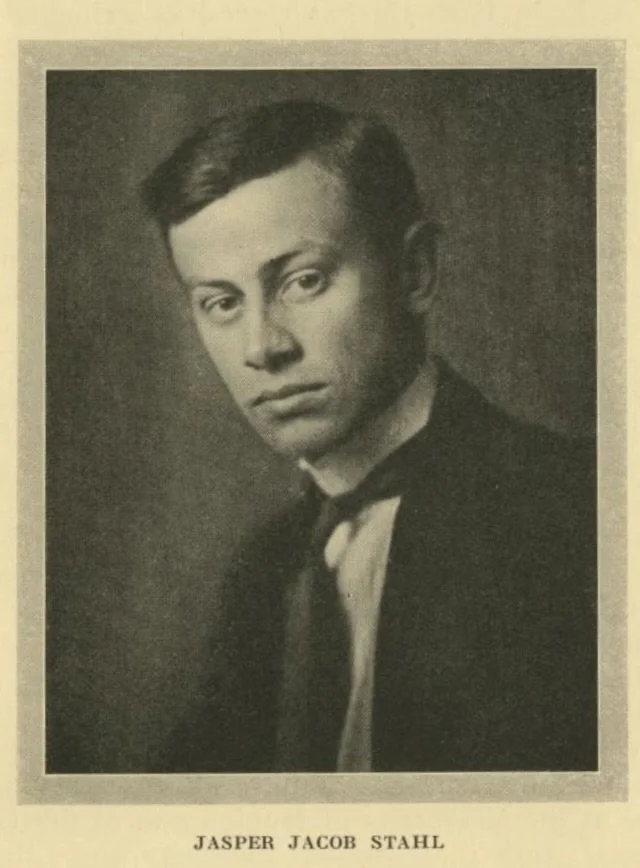
Jasper Stahl, a teacher and scholar, was moved by these currents as much as anyone. Like all human beings, he lived with contradictions, conflicts, hopes, and disappointments. They fueled his effort to understand the town he lived in and himself. |
|
|
|
|
Our reading group has been exploring the history of this region through those same emotional currents—the currents that influence the atmosphere of a town and the rhythms of a community. We have been asking why we, as individuals, and the places where we live, feel the way they do.
|
|
Our approach is historical because history is an ongoing act of inquiry and conversation that reveals who we are and shapes us through the feelings generated by people, places, and events.
|
|
|
Seventy-five years ago, sitting in his Waldoboro home and finishing his history, Stahl looked out at a world accelerating around him. He worried about what might be lost when speed replaced attention and movement replaced connection. As a historian, he wanted us to look more closely at what has come before us and what is already around us—to return to that space of potential energy where, between survival and freedom, our values, relationships, and sense of meaning continue to take shape.
|
|
|
|
|
|
On June 19 at 5:30 pm at Open House of History, we invite you to join us for a discussion about Jasper Stahl's Emotional History of Waldoboro, the first event in this summer's series, Emotional Currents: Between Survival and Freedom.
|
|
— Michael Amico
Director, Open House of History
|
|
|
|