|
Site Title ͏ ͏ ͏ ͏ ͏ ͏ ͏ ͏ ͏ ͏ ͏ ͏ ͏ ͏ ͏ ͏ ͏ ͏ ͏ ͏ ͏ ͏ ͏ ͏ ͏ ͏ ͏ ͏ ͏ ͏ ͏ ͏ ͏ ͏ ͏ ͏ ͏ ͏ ͏ ͏ ͏ ͏ ͏ ͏ ͏ ͏ ͏ ͏ ͏ ͏ ͏ ͏ ͏ ͏ ͏ ͏ ͏ ͏ ͏ ͏ ͏ ͏ ͏ ͏ ͏ ͏ ͏ ͏ ͏ ͏ ͏ ͏ ͏ ͏ ͏ ͏ ͏ ͏ ͏ ͏ ͏ ͏ ͏ ͏ ͏ ͏ ͏ ͏ ͏ ͏ ͏ ͏ ͏ ͏ ͏ ͏ ͏ ͏ ͏ ͏ ͏ ͏ ͏ ͏ ͏ ͏ ͏ ͏ ͏ ͏ ͏ ͏ ͏ ͏ ͏ ͏ ͏ ͏ ͏ ͏ ͏ ͏ ͏ ͏ ͏ ͏ ͏ ͏ ͏ ͏ ͏ ͏ ͏ ͏ ͏ ͏ ͏ ͏ ͏ ͏ ͏ ͏ ͏ ͏ ͏ ͏ ͏ ͏ ͏ ͏ ͏ ͏ ͏ ͏ ͏ ͏ ͏ ͏ ͏ ͏ ͏ ͏ ͏ ͏ ͏ ͏ ͏ ͏ ͏ ͏ ͏ ͏ ͏ ͏ ͏ ͏ ͏ ͏ ͏ ͏ ͏ ͏ ͏ ͏ ͏ ͏ ͏ ͏ ͏ ͏ ͏ ͏ ͏ ͏ ͏ ͏ ͏ ͏ ͏ ͏ ͏ ͏ ͏ ͏ ͏ ͏ ͏ ͏ ͏ ͏ ͏ ͏ ͏ ͏ ͏ ͏ ͏ ͏ ͏ ͏ ͏ ͏ ͏ ͏ ͏ ͏ ͏ ͏ ͏ ͏ ͏ ͏ ͏ ͏ ͏ ͏ ͏ ͏ ͏ ͏ ͏ ͏ ͏ ͏ ͏ ͏ ͏ ͏ ͏ ͏ ͏ ͏ ͏ ͏ ͏
The Feelscape of the Medomak River
|
|
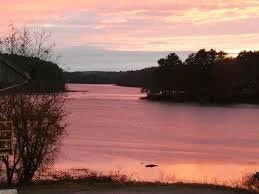
People often describe the Medomak River as pristine or untouched compared to other coastal Maine waterways. What lies behind that feeling?
|
|
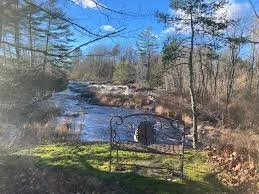
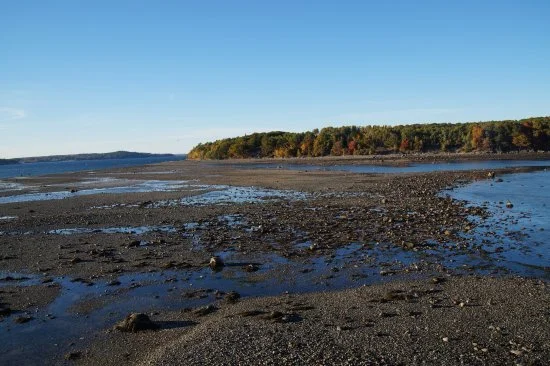
For many, it begins with the river's relative lack of residential development. Its broad mudflats and shallow waters have discouraged the kind of shoreline development that has transformed much of Maine's coast.
|
|
|
|
|
|
|
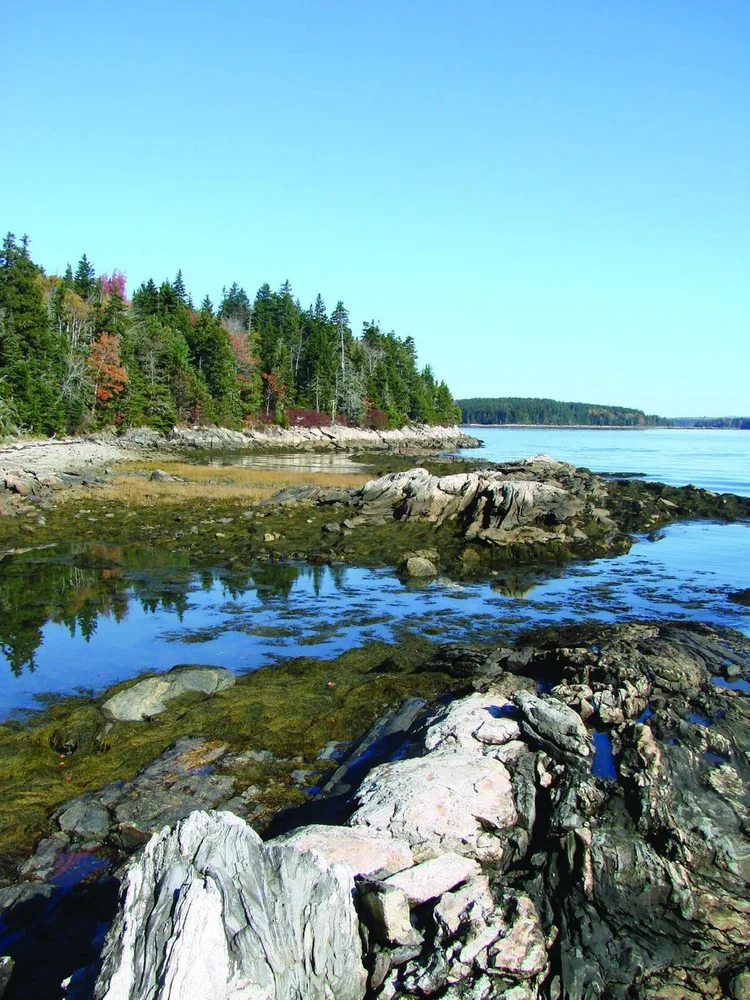
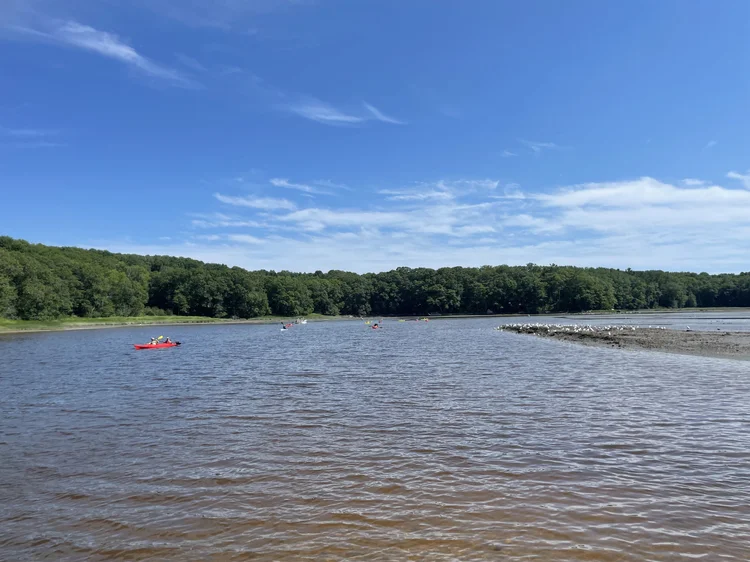
Yet those same mudflats and tidal conditions—the very qualities that make the river appear more "natural"—support an extraordinary diversity of life. |
|
|
|
|
|
Rather than favoring a single dominant use, they have long sustained many uses central to the development and identity of this area, from shellfish harvesting to shipbuilding.
|
|
|
To understand the Medomak requires widening our sense of time—not simply looking back to Waldoboro's industrial past or even before European settlement, but moving among many moments at once, becoming aware of the much deeper ecological rhythms that have shaped this place for thousands of years.
|
|
|
|
|
|
|
|
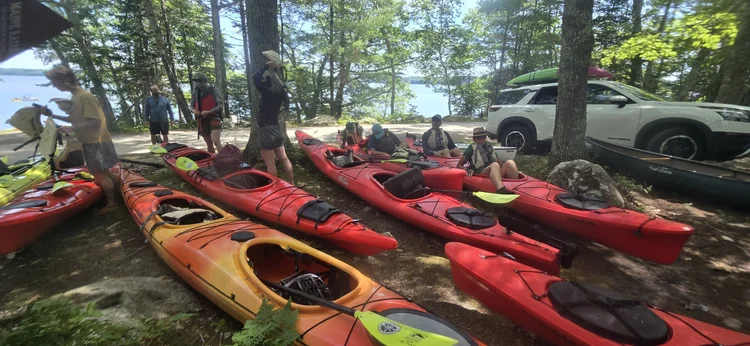
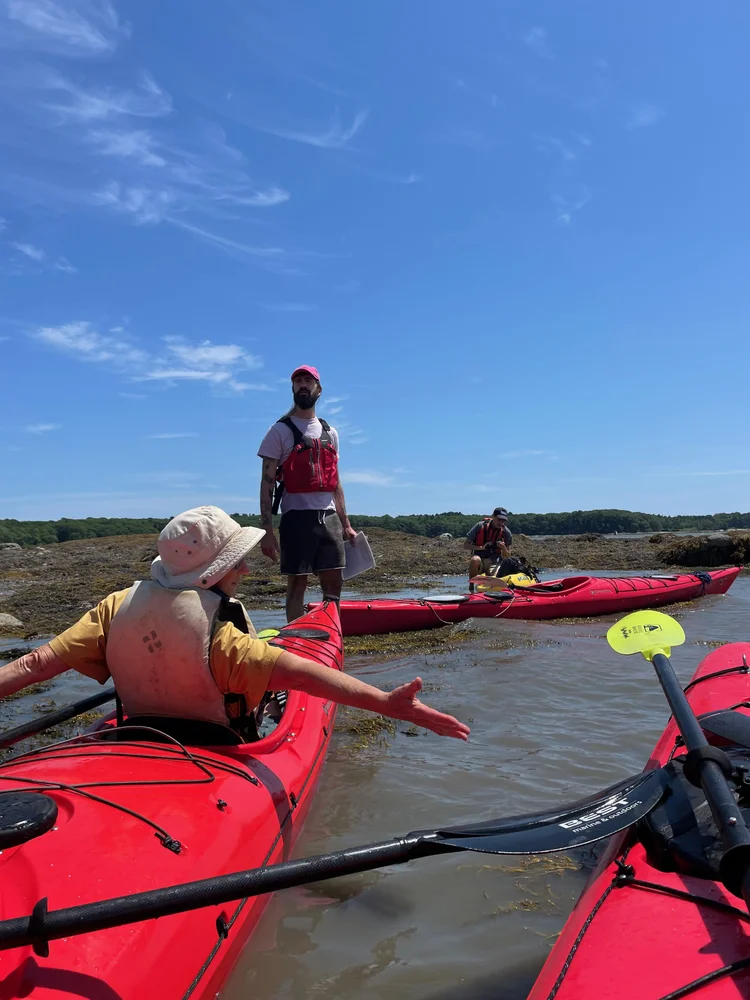
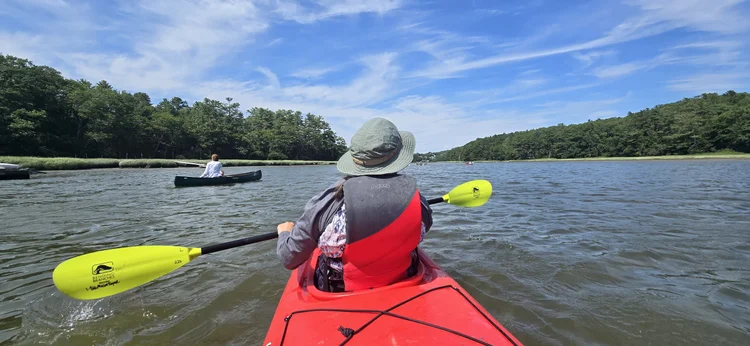
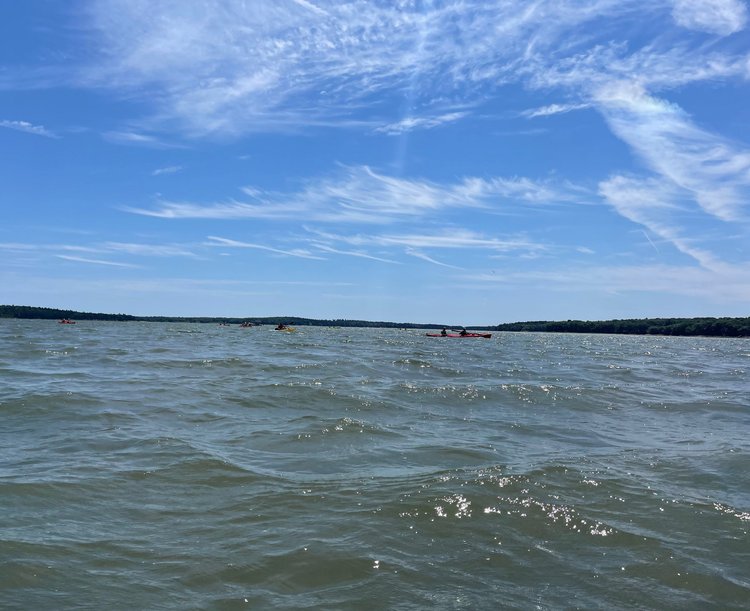
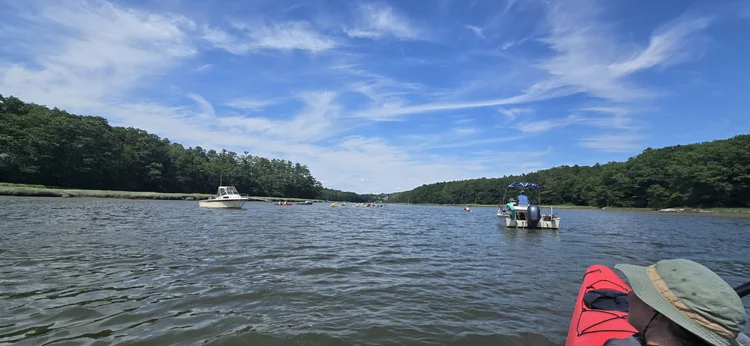
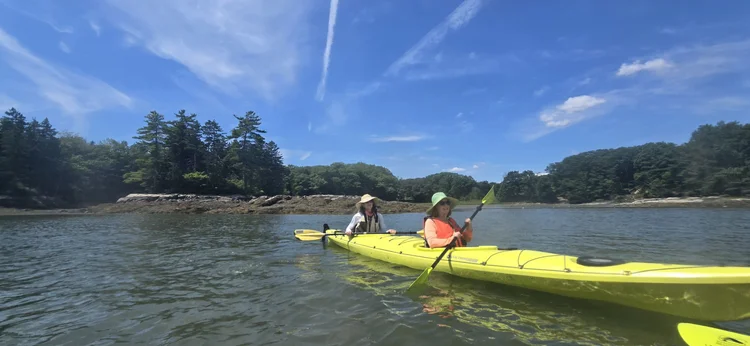
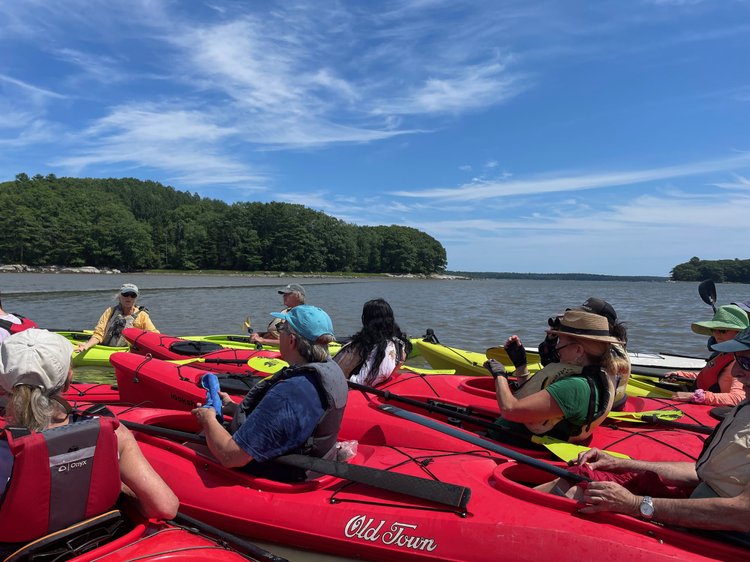
That is the state of attention—and feeling—we hope to enter during our guided paddle on August 1. This is a free event with limited spaces, so please reserve your spot now.
|
|
As we paddle, we'll explore what makes the Medomak ecologically important: its temperatures, sheltered coves, air and water quality, and extensive intertidal habitat.
|
|
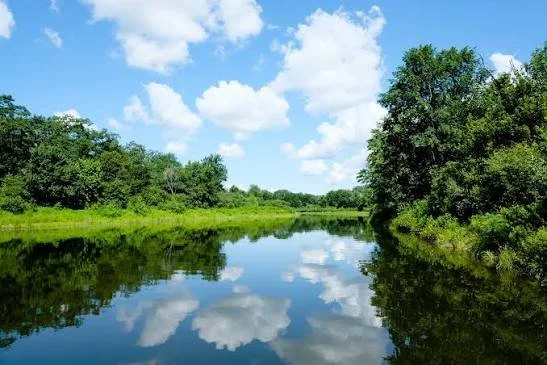
These conditions attracted remarkable biological diversity and encouraged human settlement in the first place. Yet they never eliminated danger or uncertainty. |
|
|
|
|
|
Tides, narrow passages, isolation, and changing seasons continually reminded people that survival depended on adapting to forces beyond their control and the feelings they engender.
|
|
|
For European settlers, learning to live here was difficult. Land claims were uncertain. Political boundaries shifted. Relationships with Wabanaki communities and competing empires remained unstable. These larger uncertainties created an intense feeling of local insecurity.
|
|
|
|
|
|
|
|
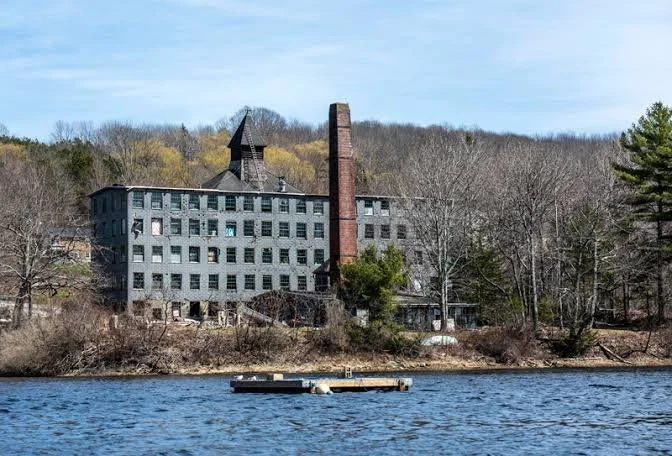
Over time, settlers increasingly asserted their own claims to land and autonomy. Their approach emphasized individual ownership and industrial processes. Forests were cleared. Ships were built. These industries became central to the local economy, also made possible by the sheltered, tidal waters of the Medomak.
|
|
Yet development has always existed in tension with the river's biological richness. Fisheries declined. Fish migrations were blocked. Farming altered sediment and water quality. Industrial pollution and stormwater runoff further degraded the watershed. Forests changed. Species disappeared from places where they had once flourished.
|
|
|
|
|
|
|
|
Local harvesters, scientists, and conservation groups have worked tirelessly to restore the river's health. Their efforts are difficult in the face of larger industrial forces. Aquaculture—including shellfish farms and hatcheries—offers one possible collaborative future, though it requires long-term investment and outside resources.
|
|
|
|
|
|
|
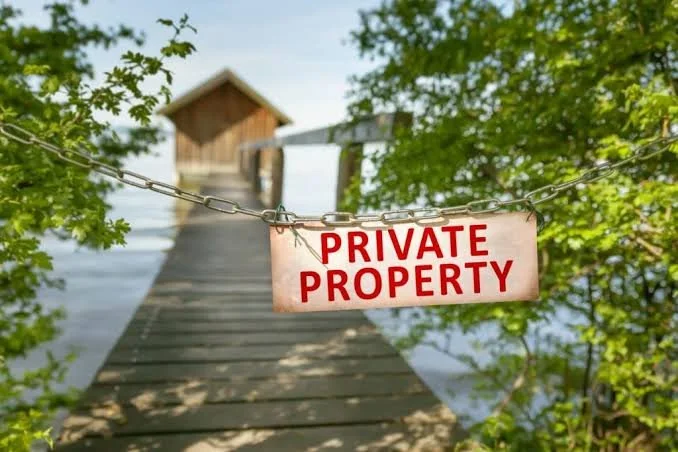
Money and power continue to reshape the shoreline nonetheless. Waterfront land has become increasingly expensive, and desirable. Whereas before people wanted to live protected from its force, technology and wealth now make it possible to build where earlier generations could not. As more shoreline becomes private, there are fewer places to launch a boat, fewer places to dig clams, and fewer opportunities for people simply to experience the river for themselves. |
|
|
|
Our relationship with the river depends on the resources available to us, the work we do or don’t do, and even where we physically stand along its banks or move through its waterways.
|
|
|
|
|
|
|
Yet whatever happens in one part of the watershed ultimately affects everything downstream. This includes forces beyond the watershed itself: rising seas, invasive species, fire, changing weather, and money and power. Just as eighteenth-century proprietors influenced local life from afar, today's regulations, tourism, markets, and distant investment continue to shape what happens here—sometimes disrupting the quiet refuge that residents and visitors alike value but which also poses its own conflict with life on a working waterfront.
|
|
|
|
|
|
This tension is ongoing. People are drawn here because the river offers shelter, beauty, and a sense of independence. Yet life along the Medomak has always depended upon wider exchange: trade, knowledge, networks of services and labor. |
|
|
|
On August 6 at 5:30, we’ll have a follow up conversation at OHOH about how local experiences and economies rooted in the natural world generate new forms of value—monetary, moral, and social.
|
|
|
The river itself offers a way of thinking about the relationship between these realities. It is resilient yet constantly changing. It follows its own course while remaining connected to countless other currents. It, too, is pulled by forces beyond itself. |
|
|
Paddling its waters on our guided journey, we become more exposed to the weather and the tides. In that openness, we can enter a sympathetic feelscape with the river and the living world around us, beginning to feel the many unseen relationships flowing through it.
|
|
|
|
|
|
|
|
We may begin to see ourselves differently. We are not as fixed as we imagine. We, too, contain many currents. What has been flowing through you?
|
|
|
|
|
|
— Michael Amico
Director, Open House of History
|
|
|
|
July 23, 5:30 - 7 PM Emotional Lives on the Water and in the Woods (Community Discussion) - Life on the water and in the woods can bring wonder and exhilaration—but also uncertainty and strain. This community discussion explores how these experiences shape the emotional realities of labor and our relationships with one another and the natural world. |
|
|
And if you missed the presentation on the Moravians and the outdoor performance the following day, you can watch, listen, and (for the presentation), read along at the following links:
|
|

|
Moravians on the Medomak — Presentation and discussion focusing on local Moravian settlers of the 1750s and 1760s, exploring religion as lived resistance, different models of leadership and masculinity, and ongoing questions of vulnerability and restraint as it unfolded in early Waldoboro. For full text of presentation, click here. |
|
|

|
Music on the River: Moravian Echoes — Site-specific musical and theatrical performance along the shores of the Medomak River with DownEast New Music—exploring the themes and questions of the discussion the night before. |
|
|
|
|
|
|