|
Site Title ͏ ͏ ͏ ͏ ͏ ͏ ͏ ͏ ͏ ͏ ͏ ͏ ͏ ͏ ͏ ͏ ͏ ͏ ͏ ͏ ͏ ͏ ͏ ͏ ͏ ͏ ͏ ͏ ͏ ͏ ͏ ͏ ͏ ͏ ͏ ͏ ͏ ͏ ͏ ͏ ͏ ͏ ͏ ͏ ͏ ͏ ͏ ͏ ͏ ͏ ͏ ͏ ͏ ͏ ͏ ͏ ͏ ͏ ͏ ͏ ͏ ͏ ͏ ͏ ͏ ͏ ͏ ͏ ͏ ͏ ͏ ͏ ͏ ͏ ͏ ͏ ͏ ͏ ͏ ͏ ͏ ͏ ͏ ͏ ͏ ͏ ͏ ͏ ͏ ͏ ͏ ͏ ͏ ͏ ͏ ͏ ͏ ͏ ͏ ͏ ͏ ͏ ͏ ͏ ͏ ͏ ͏ ͏ ͏ ͏ ͏ ͏ ͏ ͏ ͏ ͏ ͏ ͏ ͏ ͏ ͏ ͏ ͏ ͏ ͏ ͏ ͏ ͏ ͏ ͏ ͏ ͏ ͏ ͏ ͏ ͏ ͏ ͏ ͏ ͏ ͏ ͏ ͏ ͏ ͏ ͏ ͏ ͏ ͏ ͏ ͏ ͏ ͏ ͏ ͏ ͏ ͏ ͏ ͏ ͏ ͏ ͏ ͏ ͏ ͏ ͏ ͏ ͏ ͏ ͏ ͏ ͏ ͏ ͏ ͏ ͏ ͏ ͏ ͏ ͏ ͏ ͏ ͏ ͏ ͏ ͏ ͏ ͏ ͏ ͏ ͏ ͏ ͏ ͏ ͏ ͏ ͏ ͏ ͏ ͏ ͏ ͏ ͏ ͏ ͏ ͏ ͏ ͏ ͏ ͏ ͏ ͏ ͏ ͏ ͏ ͏ ͏ ͏ ͏ ͏ ͏ ͏ ͏ ͏ ͏ ͏ ͏ ͏ ͏ ͏ ͏ ͏ ͏ ͏ ͏ ͏ ͏ ͏ ͏ ͏ ͏ ͏ ͏ ͏ ͏ ͏ ͏ ͏ ͏ ͏ ͏ ͏ ͏ ͏ ͏
|

|
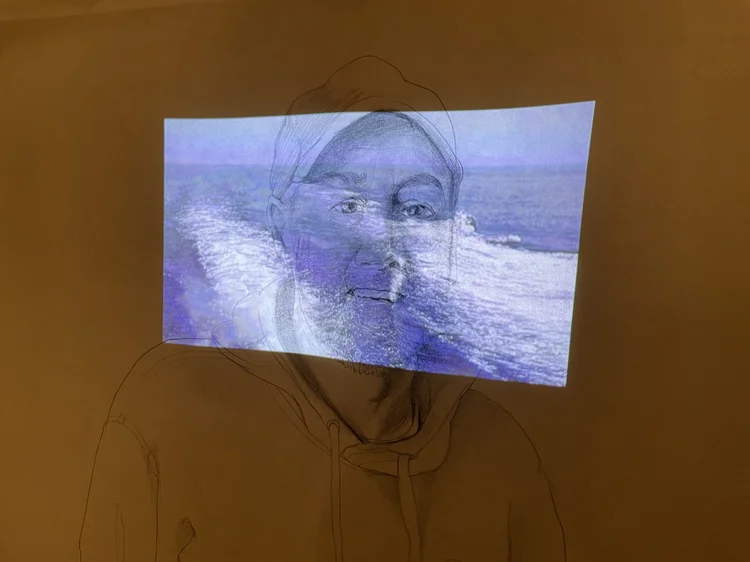
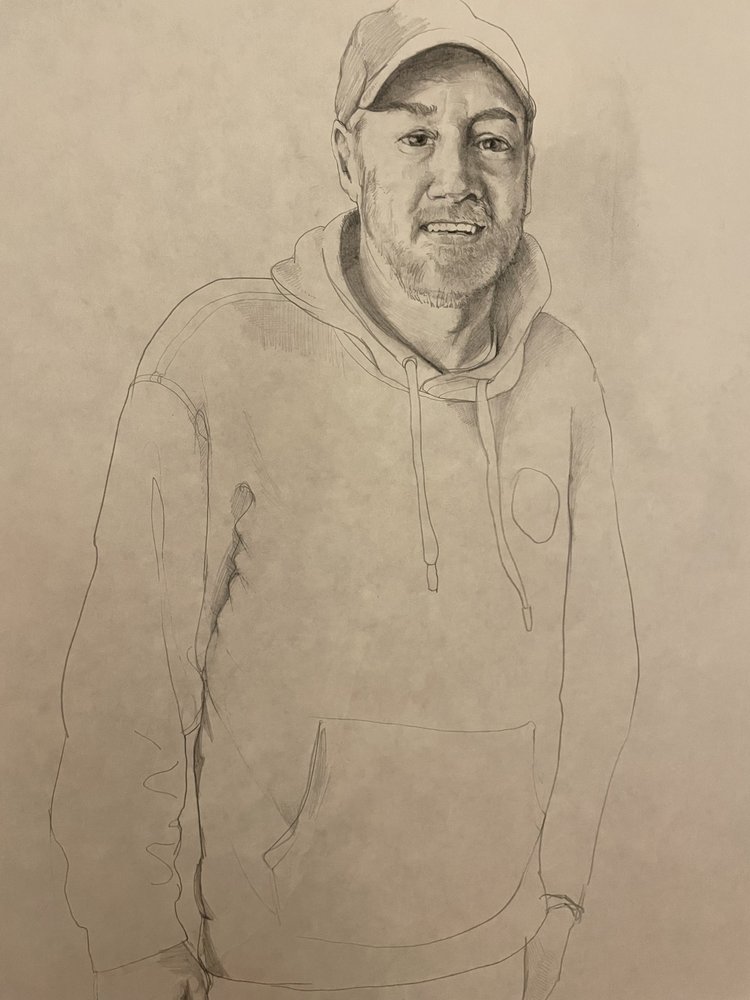
When we ask, in a moment when the United States is remembering its origins in a fight for freedom, what freedom means, I hear the voice of local lobsterman Larry York on the upper level of Open House of History. |
|
|
|
|
Speaking about his workday, he says: “I get a clarity when I go out there. It's like when my feet hit the boat, all my problems are left behind. Now I have a job to do, and I get out there, and it's like a freedom. It's like nobody can get me.” |
|
|
|
|
|
Most of us know something of that feeling. We all seek ways to fill our days with work that provides both sustenance and satisfaction. We want to make something of ourselves. We resist being told what to do, think, or feel. We want our lives to feel our own. Freedom, before it becomes an ideology, is the feeling of openness, possibility, competence, self-respect, and goodwill.
|
|
|
|
|
|
|
|
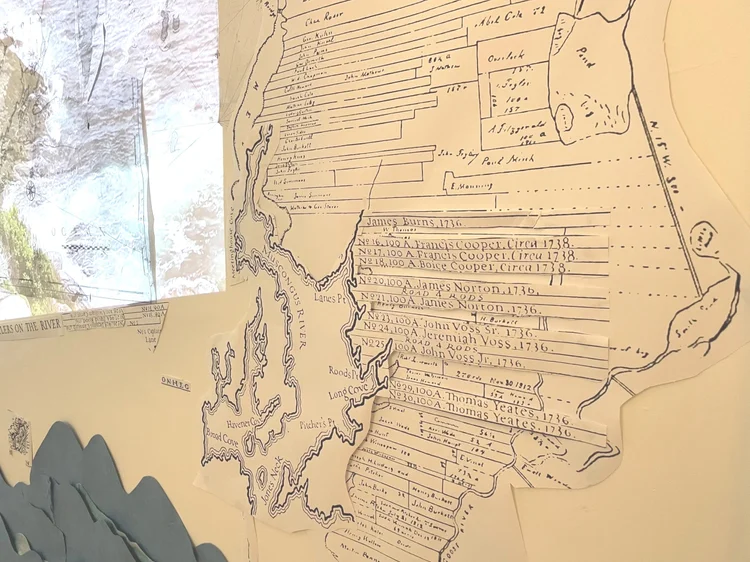
Many of the settlers who came to Maine were driven by a desire for freedom. They wanted access to land they could live from. They did not want distant proprietors—people who held claims on paper—to take their land or demand more payment for it.
|
|
|
|
|
|
Indigenous people had already lived on and cared for these lands long before European settlement.
|
|
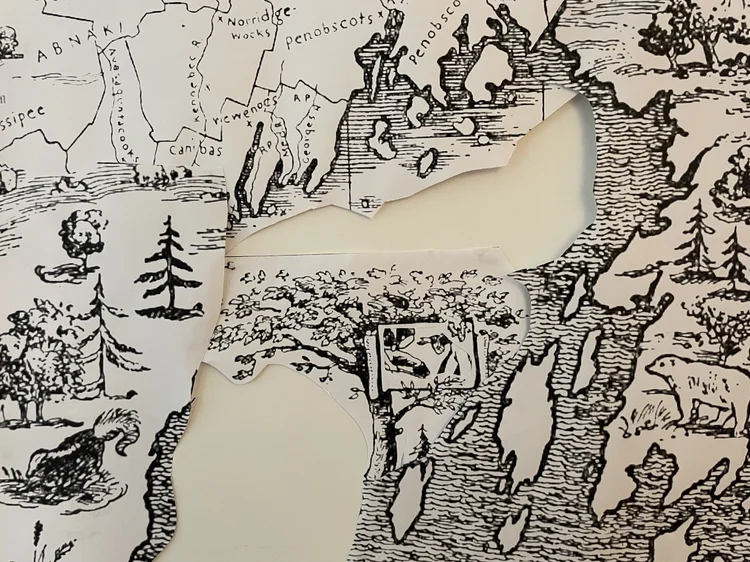
Yet the settlers themselves came into ongoing conflict with large landholders and political authorities, who often viewed the settlers working the land as savages and brutes. |
|
|
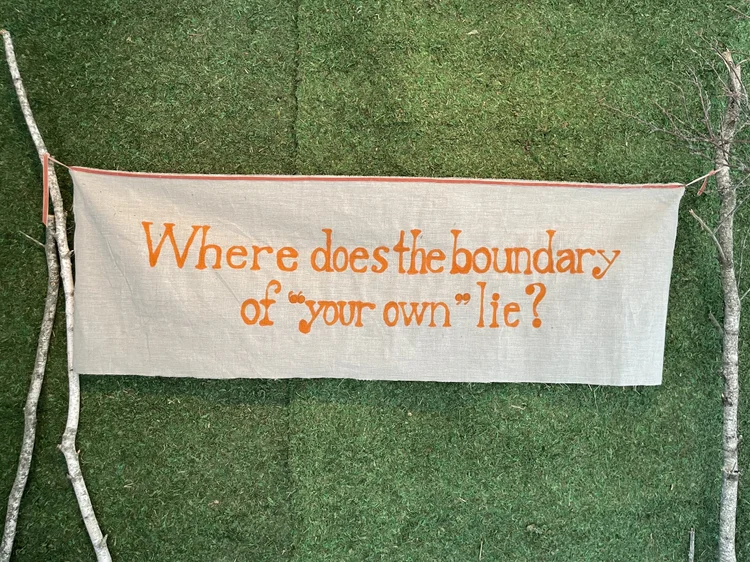
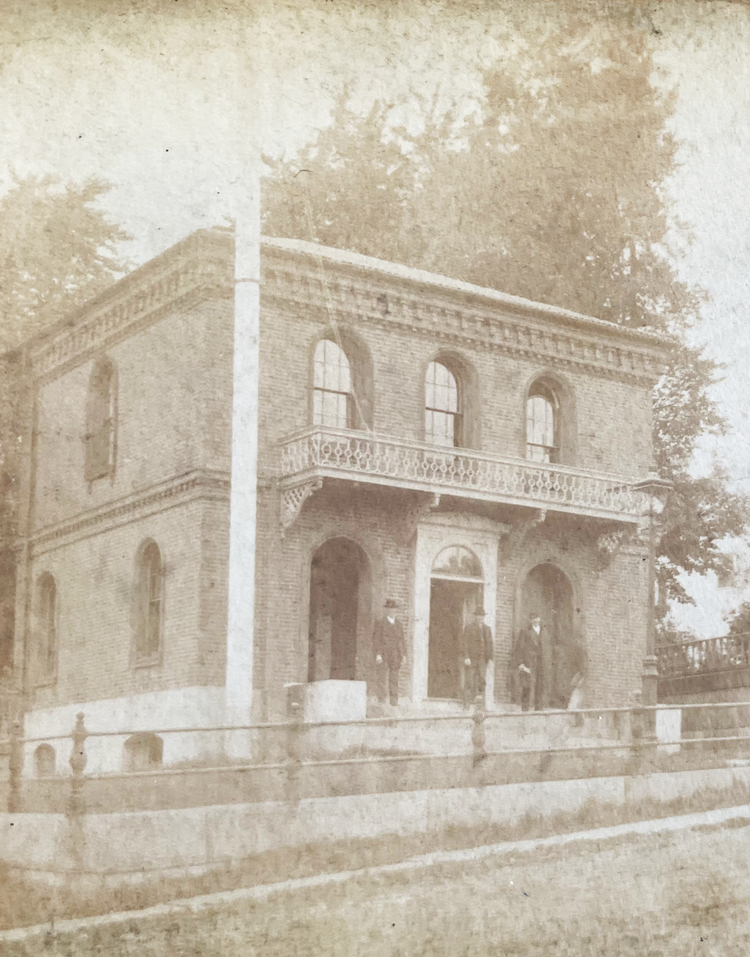
The struggle was over authority: who gets to decide how a place is used and who benefits from it? These core emotional dynamics continue to animate our lives today: tensions between those who work and live within a place and those who claim ownership, authority, or direction over it. And those include people who live there, too! |
|
|
|
|
Have you ever been involved in a property-line dispute? Argued with a code enforcement officer? Felt frustrated by property assessments or regulations made by people who could not possibly understand the realities of your situation? Have you felt protective of your home, your family, or a place you love when someone else’s presence or plans seemed to threaten it?
|
|
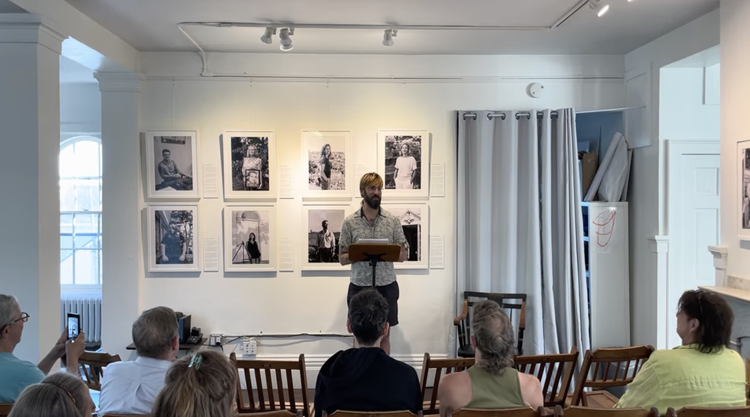
At Open House of History, we explore how emotional forces such as freedom and coercion shape life across time as realities rooted in place. In connection with America’s 250th anniversary, join us on July 2 at 5:30 PM for a lecture and discussion exploring freedom and revolution in the history of the region.
|
|
|
|
|
|
|
Through much of the nineteenth century, the settler’s "feeling for the good earth" was, in the words of historian Jasper Stahl, "the strongest single emotion in his experience." Patriotism was inseparable from the land and from the hopes for one's family and future rooted in it. Today, patriotism is more often discussed through political identities and ideologies. Yet beneath those abstractions, people—from workers and owners to conservationists and outdoor recreationists—still experience life through more fundamental concerns: making a living, caring for others, protecting what matters to them, and preserving opportunities for others.
|
|
|
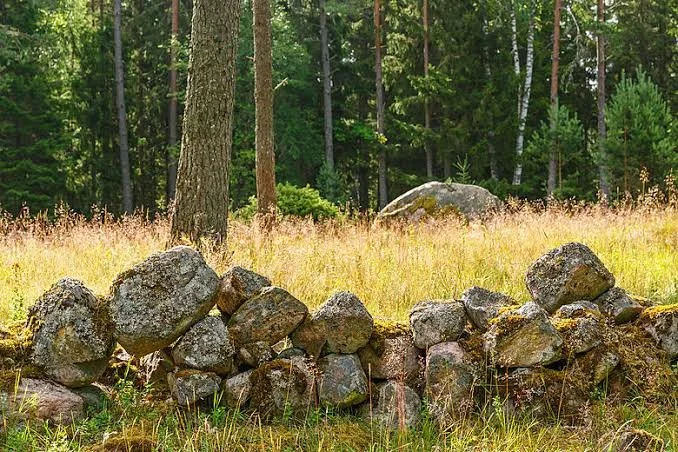
Maine continues to shape these pursuits, and their feelings, in particular ways. The state's rocky soil, long winters, uneven terrain, and relative isolation have linked freedom to patience, competence, fortitude, self-reliance, and cooperation. The stone walls that dot the landscape stand as monuments to those emotional qualities.
|
|
|
|
|
|
This history also helps explain a certain toughness often associated with Maine communities. Not aggression, but a desire to remain capable and useful, a reluctance to be pushed around.
|
|
What does it mean to enter into sympathy with that toughness, and the feelings of dependence, vulnerability, shame, and lost control within the struggle of life? That question also lies at the heart of Open House of History's mission. It requires both adjustment and pushback. It asks us to recognize that values differ, that measures of value differ, and that the rules that seem obvious to one person may not serve everyone equally. It asks us to consider: For whom are we working? For whom are we protecting a place and in what way? Who benefits? Who or what is harmed? By what measure? Who decides?
|
|
|
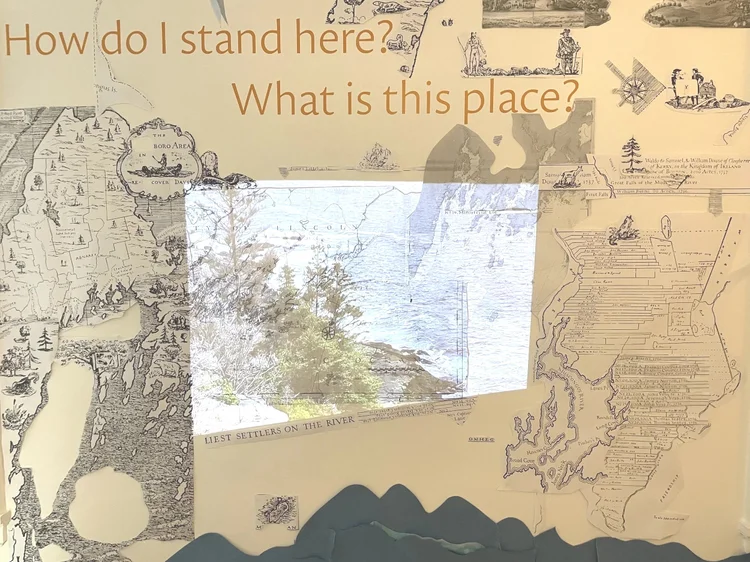
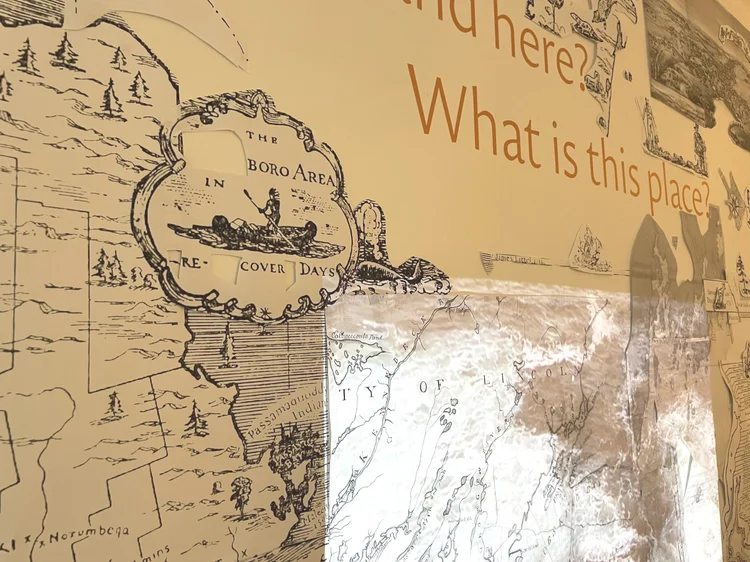
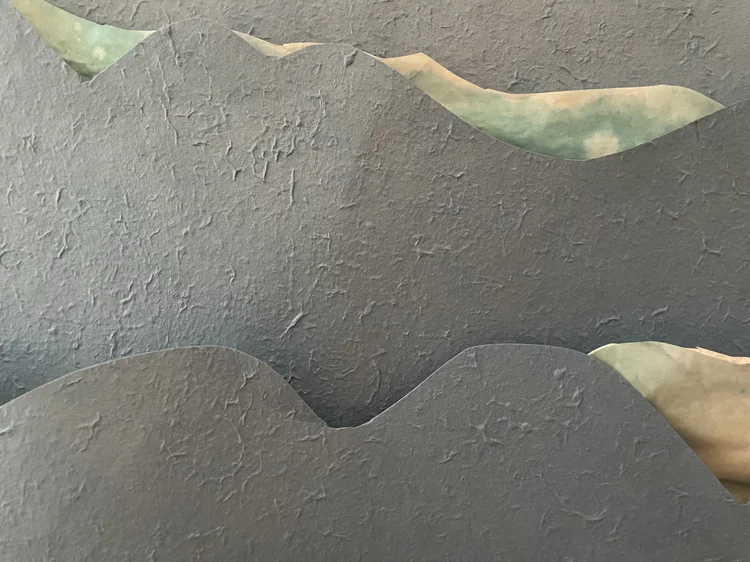
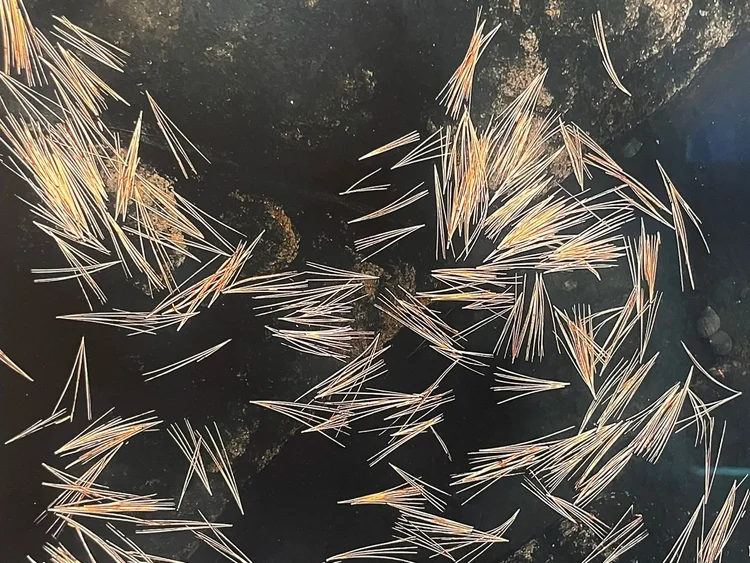
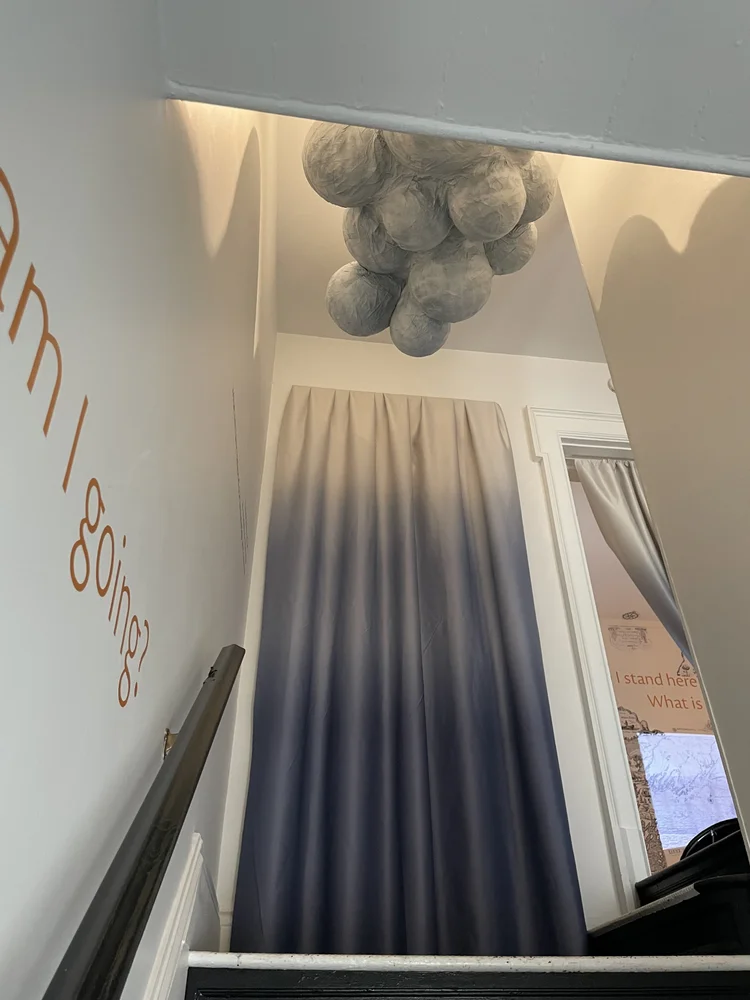
The voices, words, and images upstairs at Open House of History explore these tensions. So do the maps and landscapes of shoreline and forest that surround them.
|
|
|
|
|
|
|
|
No single view is complete. History is the ongoing renegotiation of relationships and of freedom, and proof that no one can take that possibility away. History is what Larry continues when steps onto the boat.
|
|
— Michael Amico
Director, Open House of History
|
|
The first lecture and discussion of the summer, Jasper Stahl’s Emotional History of Waldoboro, is available on the website to watch.
|
|
|
|