|
Site Title ͏ ͏ ͏ ͏ ͏ ͏ ͏ ͏ ͏ ͏ ͏ ͏ ͏ ͏ ͏ ͏ ͏ ͏ ͏ ͏ ͏ ͏ ͏ ͏ ͏ ͏ ͏ ͏ ͏ ͏ ͏ ͏ ͏ ͏ ͏ ͏ ͏ ͏ ͏ ͏ ͏ ͏ ͏ ͏ ͏ ͏ ͏ ͏ ͏ ͏ ͏ ͏ ͏ ͏ ͏ ͏ ͏ ͏ ͏ ͏ ͏ ͏ ͏ ͏ ͏ ͏ ͏ ͏ ͏ ͏ ͏ ͏ ͏ ͏ ͏ ͏ ͏ ͏ ͏ ͏ ͏ ͏ ͏ ͏ ͏ ͏ ͏ ͏ ͏ ͏ ͏ ͏ ͏ ͏ ͏ ͏ ͏ ͏ ͏ ͏ ͏ ͏ ͏ ͏ ͏ ͏ ͏ ͏ ͏ ͏ ͏ ͏ ͏ ͏ ͏ ͏ ͏ ͏ ͏ ͏ ͏ ͏ ͏ ͏ ͏ ͏ ͏ ͏ ͏ ͏ ͏ ͏ ͏ ͏ ͏ ͏ ͏ ͏ ͏ ͏ ͏ ͏ ͏ ͏ ͏ ͏ ͏ ͏ ͏ ͏ ͏ ͏ ͏ ͏ ͏ ͏ ͏ ͏ ͏ ͏ ͏ ͏ ͏ ͏ ͏ ͏ ͏ ͏ ͏ ͏ ͏ ͏ ͏ ͏ ͏ ͏ ͏ ͏ ͏ ͏ ͏ ͏ ͏ ͏ ͏ ͏ ͏ ͏ ͏ ͏ ͏ ͏ ͏ ͏ ͏ ͏ ͏ ͏ ͏ ͏ ͏ ͏ ͏ ͏ ͏ ͏ ͏ ͏ ͏ ͏ ͏ ͏ ͏ ͏ ͏ ͏ ͏ ͏ ͏ ͏ ͏ ͏ ͏ ͏ ͏ ͏ ͏ ͏ ͏ ͏ ͏ ͏ ͏ ͏ ͏ ͏ ͏ ͏ ͏ ͏ ͏ ͏ ͏ ͏ ͏ ͏ ͏ ͏ ͏ ͏ ͏ ͏ ͏ ͏ ͏
Where Waldoboro Meets the World
|
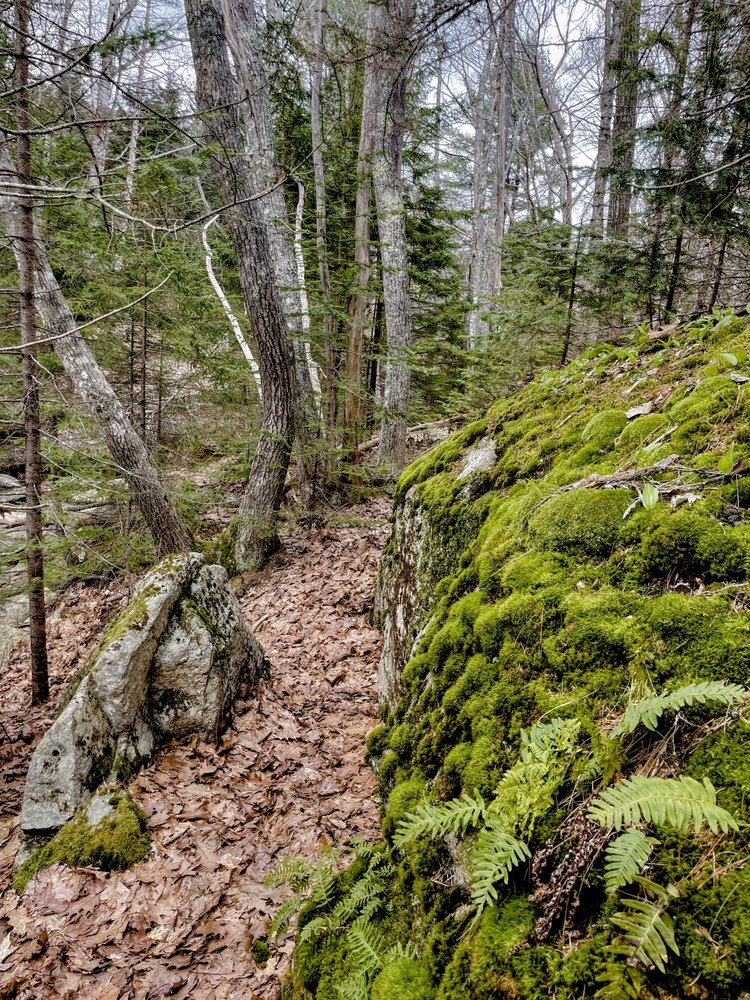
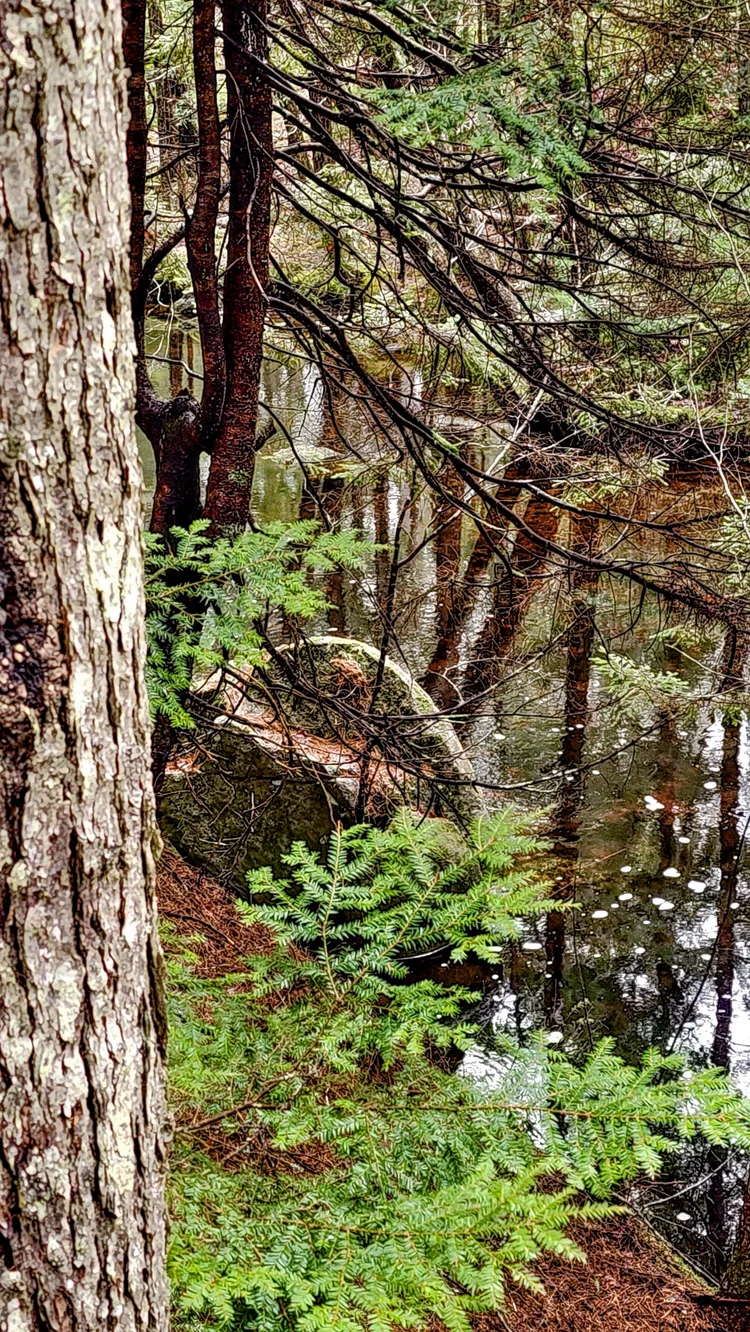
The world is deeply interconnected. Even in a place that can feel remote, we are constantly confronted with our relationships to the abundance of life around us. Throughout the summer, we've been exploring the connections that make Waldoboro and the surrounding area a nexus of feeling. |
|
|
|
|
Some of those connections have historically been hesitant or ambivalent, reflecting the uncertainties of a frontier and borderland community. Others bring us face to face with what we do not yet understand. Still others emerge through communication, transportation, trade, and the market economy. |
|
|
|
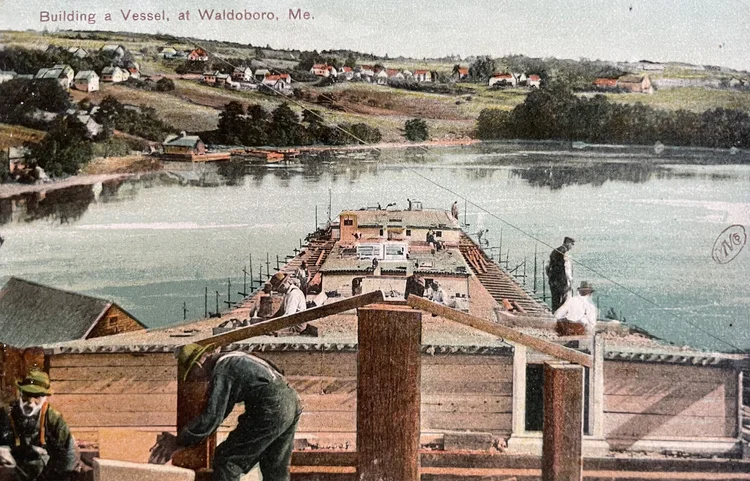
Waldoboro’s economic height came during the nineteenth century when the local community was most connected to the wider world through ships that crossed oceans. Goods, news, and money flowed back in return. This thriving economy also depended on cooperation across the community's own diversity of people, skills, and ways of life.
|
|
|
Without these networks of connection—both within a community and beyond it—we cannot create jobs and build opportunities that allow people to rise out of difficult circumstances. This is a matter of remaining receptive: willing to receive, to be in conversation, to let something new pass through us. This is a mindset—an emotional sensibility at the root of creativity itself.
|
|
|
|
|
|
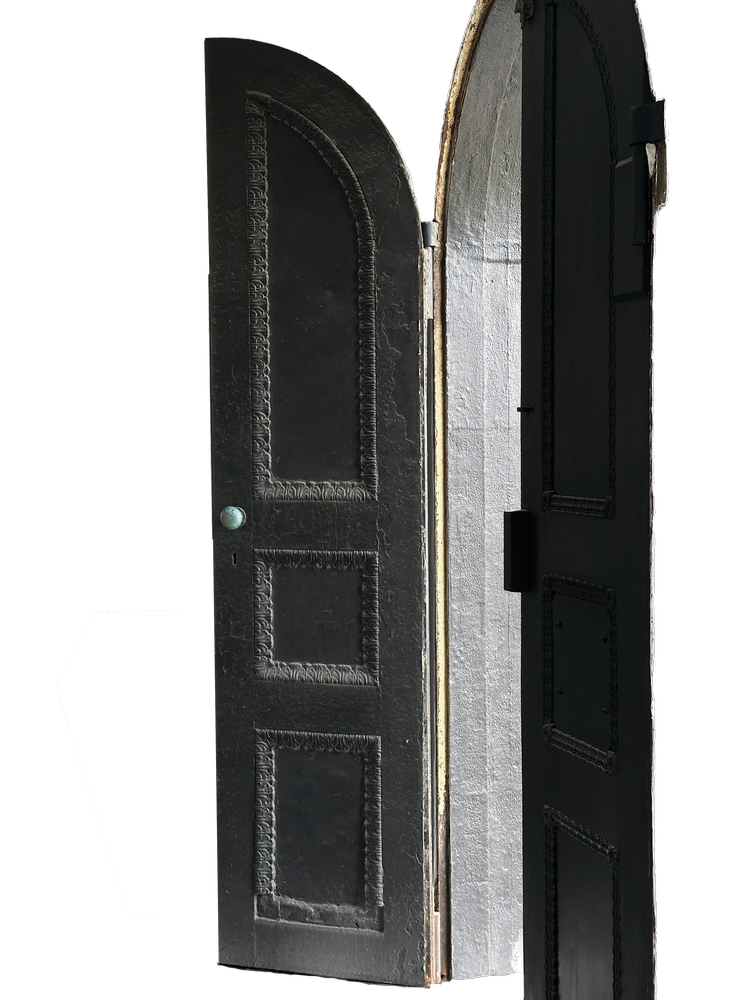
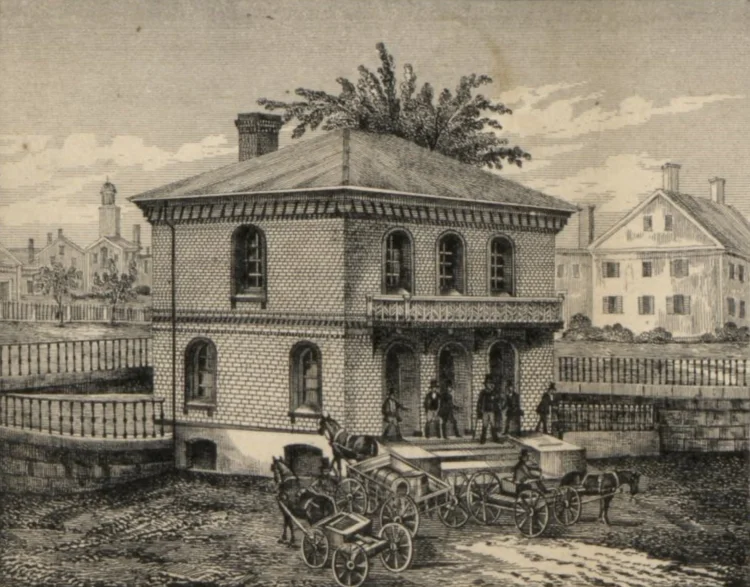
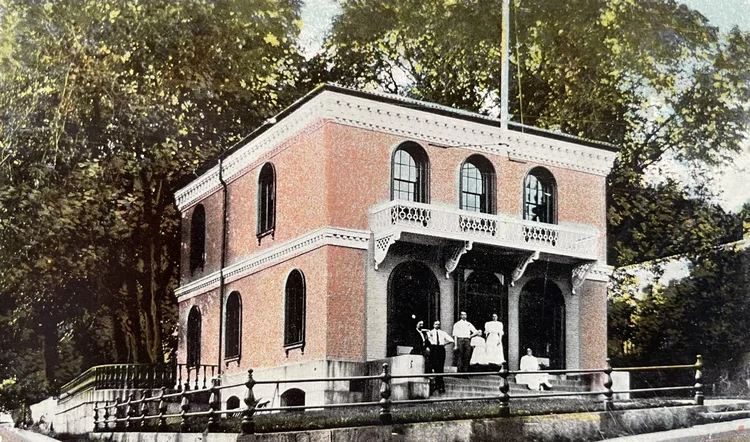
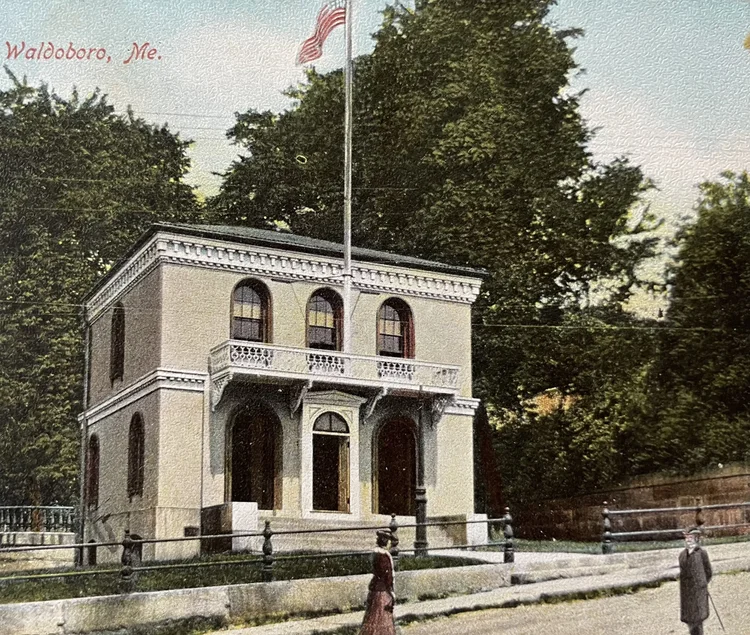
The Custom House has long embodied that crossing point. Built in 1855, when Waldoboro stood at the center of the region's shipbuilding economy, it later became the town's post office and library, continuing its role as a place where the outside world—the world beyond ourselves—entered.
|
|
Today, Open House of History continues that civic tradition. Through art, history, conversation, and media, we use feeling as a way of opening life into a wider space and time.
|
|
In doing so, we not only continue to connect to others. We go one step further and explore what lies at the deeper core of those connections and ourselves.
|
|
|
|
|
|
|
This is not merely a philosophical exercise.
It is necessary for our survival.
|
|
|
The Waldoboro symbolized by the five-masted schooner is not coming back…
|
|
|
|
|
|
|
|
|
|
…and many of the people who most need opportunity, encouragement, education, and hope do not necessarily see themselves reflected in it. .
|
|
|
|
|
|
|
Yet the feelings behind that history—the pride, independence, ingenuity, and dignity—remain profoundly important.
|
|
|
Last week I wrote about what I feel is the conservative heart of this place: a resistance to being told what to do, what to think, or what to feel, together with a determination to preserve one's own sense of worth and values. At its best, conservatism says that something valuable must be protected. It provides an anchor.
|
|
|
|
|
|
|
|
And to feel that sense of value you have to participate in the community and become embedded in its relationships.
|
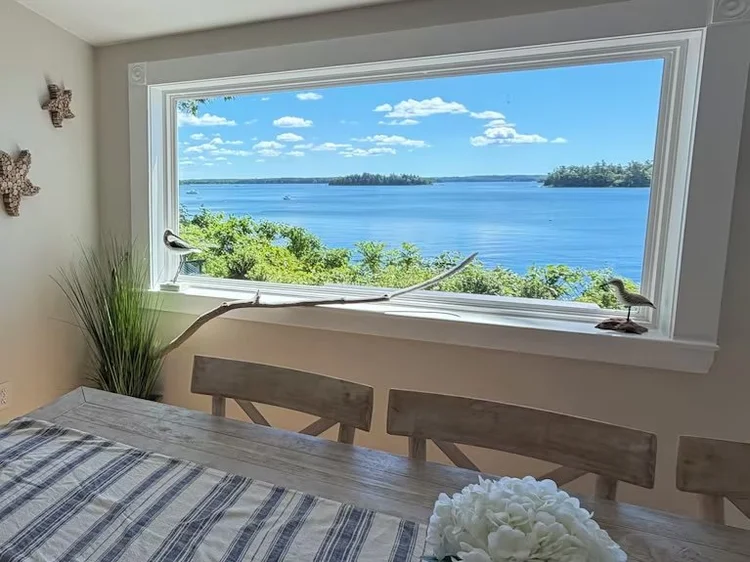
This cannot be achieved by visitors or summer residents mostly looking out from waterfront homes. Nor can it be achieved right away by people who move here. |
|
|
|

|
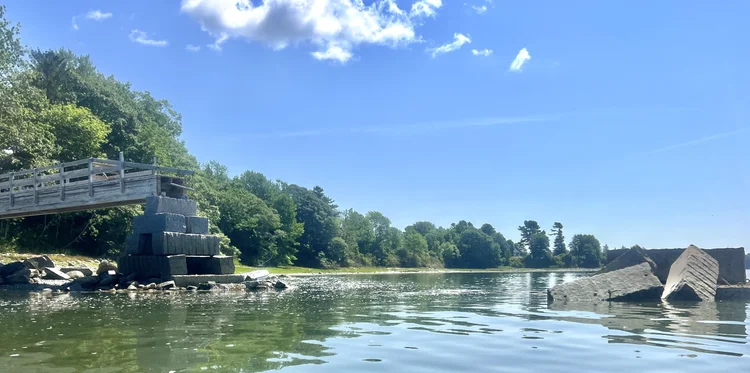
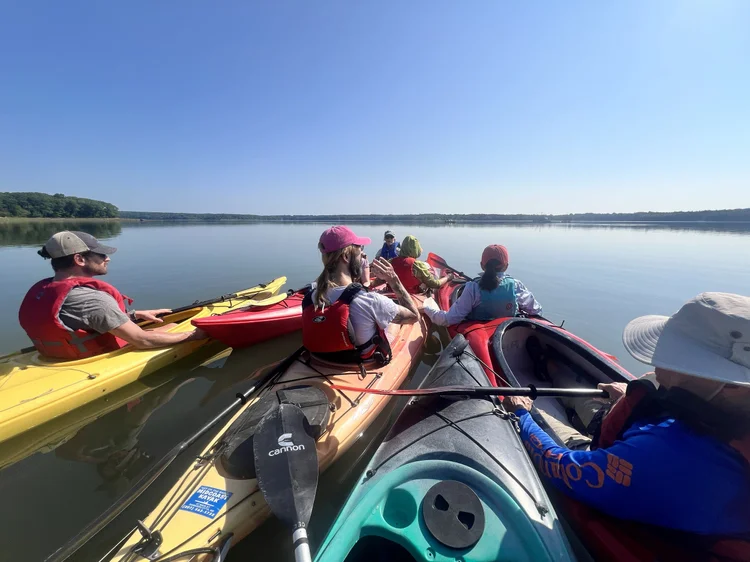
During our paddle on the Medomak this weekend, we explored how a view from the water allows us to see both ourselves and the community as part of a web of relationships within, rather than outside, the landscape—ecological relationships as diverse as the livelihoods and forms of value they sustain. |
|
|
|
As we paddled upriver, we noticed stone remnants of old roads and crossings, traces of earlier lives slowly being reclaimed by the landscape.
|
|
|
Yet as we returned to town, we could also feel the stubborn persistence to hold onto a place that generations have carved out here despite changing conditions. |
|
|
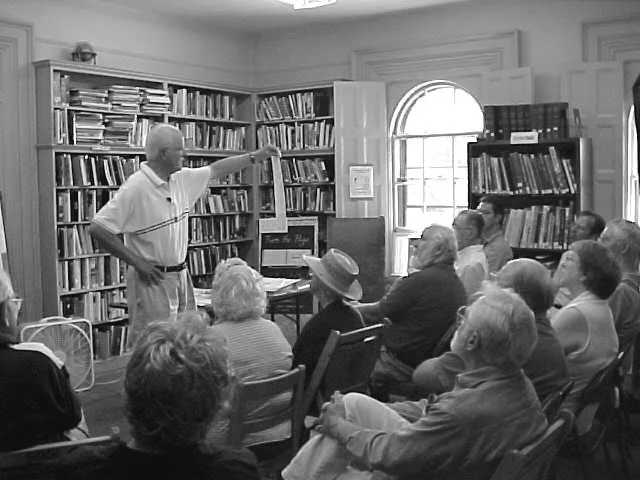
We will explore some of the people who embodied that hold and its emotional sacrifices during our presentation and discussion, The Undiscovered Country, on Saturday, August 8th at 5:30. At a time of profound change driven by forces larger than any one community, Waldoboro's conservatism can play an increasingly vital role in ensuring the town's future.
|
|

|
But if it is to do so, it cannot retreat into a purely defensive posture, leaving few opportunities for the generations to come. |
|
|
Its strength must instead be renewed through continual encounters at the edges of our lives: where hands meet natural materials, where shorelines blur into mudflats, where fresh water meets salt, where forests open onto ponds, and where the familiar gives way to the mysterious in ourselves, in one another, and in the living world around us. |
|

|
|
|
These encounters invite us to re-feel the value and the deep connection between people that have sustained this place. |
|
|
|
|
— Michael Amico
Director, Open House of History
|
|
|
|