|
Site Title ͏ ͏ ͏ ͏ ͏ ͏ ͏ ͏ ͏ ͏ ͏ ͏ ͏ ͏ ͏ ͏ ͏ ͏ ͏ ͏ ͏ ͏ ͏ ͏ ͏ ͏ ͏ ͏ ͏ ͏ ͏ ͏ ͏ ͏ ͏ ͏ ͏ ͏ ͏ ͏ ͏ ͏ ͏ ͏ ͏ ͏ ͏ ͏ ͏ ͏ ͏ ͏ ͏ ͏ ͏ ͏ ͏ ͏ ͏ ͏ ͏ ͏ ͏ ͏ ͏ ͏ ͏ ͏ ͏ ͏ ͏ ͏ ͏ ͏ ͏ ͏ ͏ ͏ ͏ ͏ ͏ ͏ ͏ ͏ ͏ ͏ ͏ ͏ ͏ ͏ ͏ ͏ ͏ ͏ ͏ ͏ ͏ ͏ ͏ ͏ ͏ ͏ ͏ ͏ ͏ ͏ ͏ ͏ ͏ ͏ ͏ ͏ ͏ ͏ ͏ ͏ ͏ ͏ ͏ ͏ ͏ ͏ ͏ ͏ ͏ ͏ ͏ ͏ ͏ ͏ ͏ ͏ ͏ ͏ ͏ ͏ ͏ ͏ ͏ ͏ ͏ ͏ ͏ ͏ ͏ ͏ ͏ ͏ ͏ ͏ ͏ ͏ ͏ ͏ ͏ ͏ ͏ ͏ ͏ ͏ ͏ ͏ ͏ ͏ ͏ ͏ ͏ ͏ ͏ ͏ ͏ ͏ ͏ ͏ ͏ ͏ ͏ ͏ ͏ ͏ ͏ ͏ ͏ ͏ ͏ ͏ ͏ ͏ ͏ ͏ ͏ ͏ ͏ ͏ ͏ ͏ ͏ ͏ ͏ ͏ ͏ ͏ ͏ ͏ ͏ ͏ ͏ ͏ ͏ ͏ ͏ ͏ ͏ ͏ ͏ ͏ ͏ ͏ ͏ ͏ ͏ ͏ ͏ ͏ ͏ ͏ ͏ ͏ ͏ ͏ ͏ ͏ ͏ ͏ ͏ ͏ ͏ ͏ ͏ ͏ ͏ ͏ ͏ ͏ ͏ ͏ ͏ ͏ ͏ ͏ ͏ ͏ ͏ ͏ ͏
This is the last newsletter of our summer season—although our regular open hours continue through August 16 (Wed–Fri, 3–7; Sat–Sun, 11–3)—and so I want to take the opportunity to return to the reasons Open House of History exists. |
|

|
|
|
|
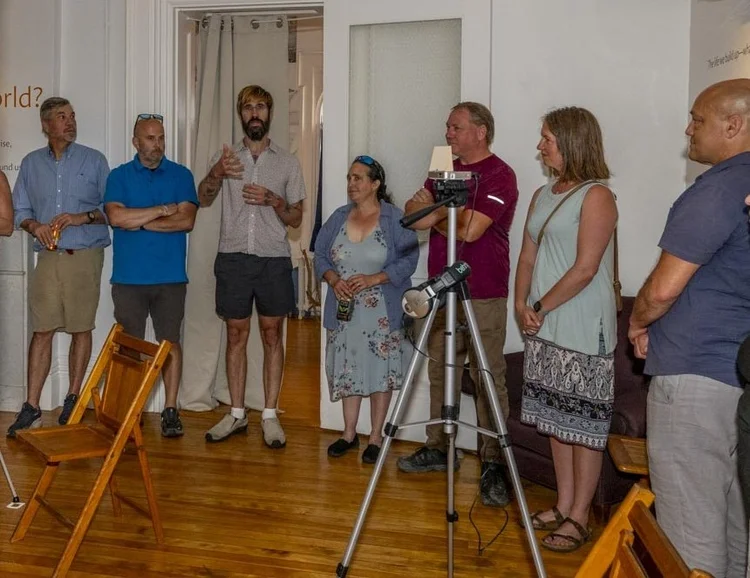
What does it mean to do history as a community,… |
|
|
|
|
|
People have long looked to the past to understand the present.
|
|
Historians, pundits, and online commentators construct through-lines of cause and effect to tell us why something is happening and what it means. |
|
|
|
But what is rarely taken seriously, if it is acknowledged at all, is the emotion behind so much of what people say:
|
the anger or resentment, sadness or fear, hope or anticipation that animates even our self-described reasonable explanations of the world. Those emotions are signs that, whatever position someone takes, there is more at stake than what is explicitly being said. |
|
|
|
|
|
The most important question we should be asking is not Why is this happening? but Why do people feel the way they do right now?
|

|
Feeling is history’s primary source. Feeling is our cause. We emerge from the ways our emotions negotiate what comes before us—what we are born into and what we move through. Because our emotions create and apportion value at the most basic level, they give rise to our beliefs, our politics, our relationships, and the possibilities we can imagine. |
|
|
|
|
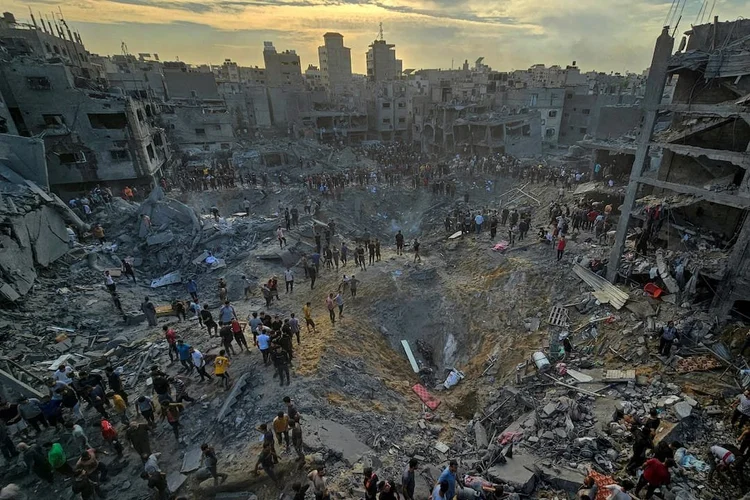
Many of the emotions that constitute our divisive world today are the effects of large shifts and losses that accumulate over time: wars, displacement, changing forms of work, ruptured communities, families, and personal relationships.
|
|
|
|
|
|
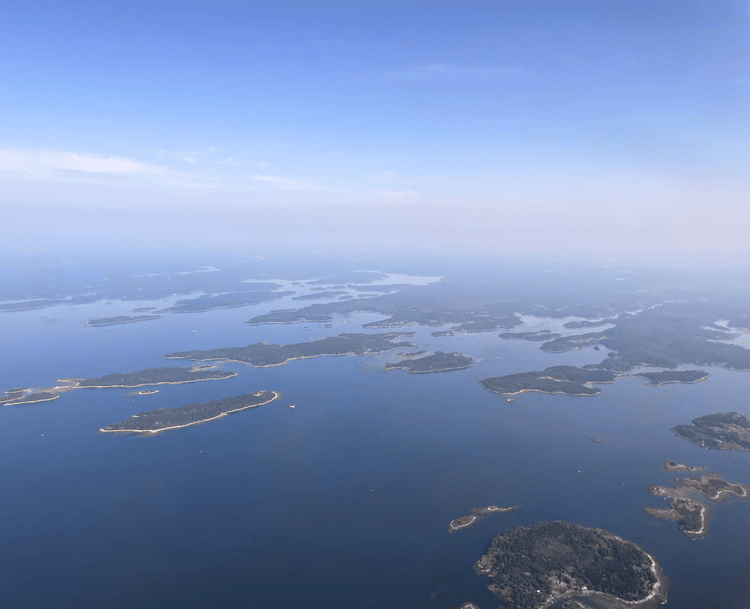
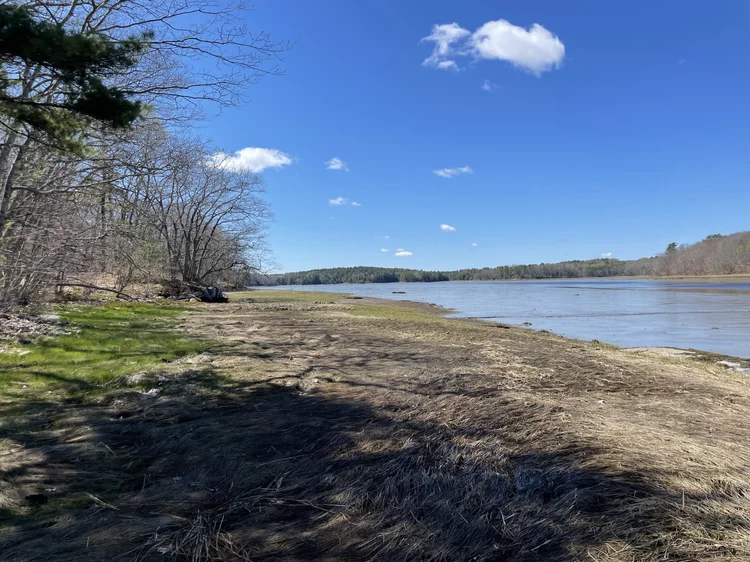
Those forces take specific forms in particular places. The earliest European settlers in this part of Maine navigated generations of war and uncertainty amid exposure, isolation, and struggles over authority.
|
|
|
|
|
|
|
|
Those emotional effects linger, just as the environmental conditions they confronted continue to shape what and how people feel here today. They can make us self-protective, wary, and defensive.
|
|
|
|
|
|
But they can also make us open.
|
|
Maine has long been distinguished not simply as a place where people endure difficult circumstances but as a place where those same circumstances can generate neighborly feeling and resourcefulness, as well as creative responses in work and art.
|
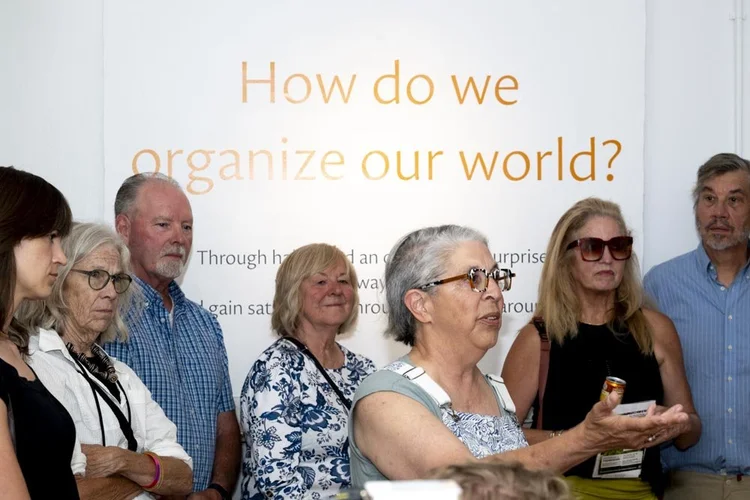
During our discussion on Emotional Lives on the Water and in the Woods, people described how being and working outside cultivates an unusual emotional openness. You become attentive to small changes, to the feeling that something is out of balance. Rather than reducing the world to the emotional extremes of a mediatized environment, you become responsive to subtle relationships. This is itself a historical mindset. |
|

|
|
|
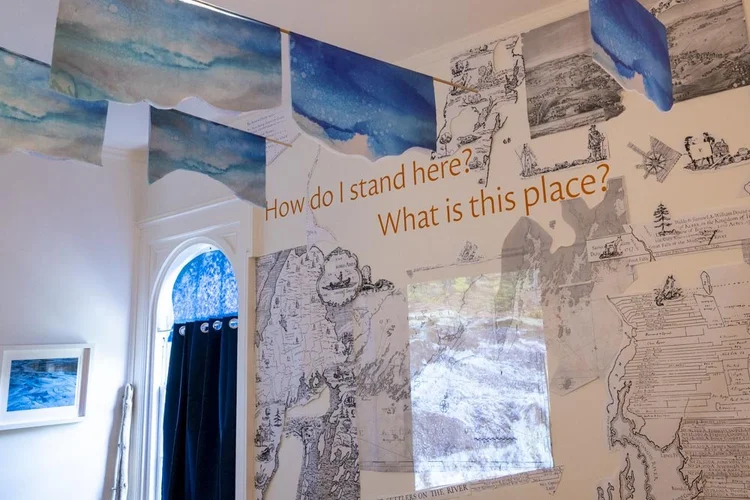
I don't mean history in the domesticated sense of "the past," or even as a subject to know about. I mean history as a practice that expands the space we inhabit by asking us to look back and look again, a practice that reveals the foundational emotional level of our lives by opening us to the deeper relationships that continue to shape a place and community.
|
|
|
|
|
|
|
|
The natural world is an ideal place to sharpen our historical awareness. Outside, you may find yourself wondering: Who was here before me? The distinctions through which we normally understand ourselves begin to fall away. We are reduced to something more essential: bodies among other bodies, with all our personality quirks, relating to each other around questions of trust, obligation, loss, belonging, freedom, hope—and all that lies just this side of the unknown.
|
|
|
|
|
|
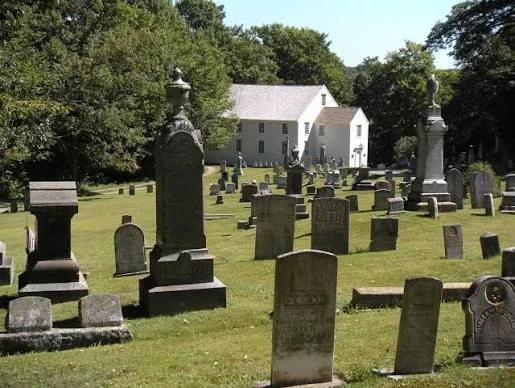
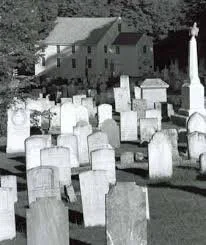
Cemeteries can produce a similar feeling. We walk among people who once possessed extraordinarily particular personalities, yet there they have been reduced to equals in their mortality and muteness. |
|
|
What would they say? What can we know? |
|
|
|
|

|
We must do a better job of saving and sharing photographs, objects, writings, letters, and recordings. |
|
|
|
|
These are the entry points into understanding how people loved and lost, judged and resented, survived and regretted, giving access to the shared terrain of feeling that breathes life into our landscapes, buildings, and communities.
|
|
|
History is what expands our view of the future. |
|
|
Whatever is happening nationally or globally can only be felt and negotiated through individual encounters in particular places. All politics are local because all emotion is local.
|
|
|
|
|
|
|
|
So, as you pass quickly through your days, concentrating on what needs to get done, let that lingering sense of something unresolved, overlooked, or lost pull you back to look again.
|
|
|
|
|
|
Don't turn away. Let the feeling grow. Then we can begin.
|
|
— Michael Amico
Director, Open House of History
|
|
It examines the overdose of a nineteenth-century Waldoboro lawyer to trace sympathy across political divisions and reveal the fragility of power in the Civil War era—and in our own time—as history continues to further recognition and belonging. The full text is avialable to read as well. |
|

|
|
|
|
|